How Safe Are Sodium-Ion Batteries Compared to Lithium-Ion Batteries?
As the demand for more sustainable and efficient energy storage solutions grows, questions surrounding the safety of different battery technologies have become increasingly important. A major point of interest in this regard is the comparison between sodium-ion batteries and lithium-ion batteries, two of the most widely discussed energy storage options in today’s market. With the rise of renewable energy and electric vehicles (EVs), understanding the safety aspects of these technologies is crucial for their widespread adoption.
While lithium-ion batteries have been the gold standard in energy storage for many years, sodium-ion batteries are gaining attention as a promising alternative due to their lower cost and abundance of raw materials.
Thermal Stability and Fire Risk
One of the primary concerns in battery technology is thermal stability—the ability of a battery to operate safely within a specific temperature range. Lithium-ion batteries are known for their high energy density, which is a significant advantage in applications like electric vehicles and portable electronics. However, this high energy density comes with a drawback: a relatively higher risk of thermal runaway.
Thermal runaway occurs when a battery’s temperature increases uncontrollably, often leading to a fire or explosion. This can be caused by overcharging, physical damage, or manufacturing defects. In lithium-ion batteries, the flammable liquid electrolyte increases the risk of a fire in the event of a short circuit or internal fault. In some cases, the batteries can catch fire even without an external ignition source.
On the other hand, sodium-ion batteries offer improved thermal stability compared to their lithium-ion counterparts. Sodium-ion batteries typically use non-flammable electrolytes and have a more stable chemical structure, which helps prevent overheating and reduces the likelihood of fire. This makes sodium-ion batteries safer, especially in high-temperature environments.
Chemical Composition and Hazardous Materials
Lithium-ion batteries rely on lithium cobalt oxide (LiCoO₂) and other toxic materials such as nickel and cobalt in their electrodes. These materials, while efficient, are rare and pose environmental risks during mining. In the event of a battery failure, the release of harmful chemicals could have serious consequences for human health and the environment.
In contrast, sodium-ion batteries are typically made using abundant and non-toxic materials such as sodium, iron, and manganese, which are much more abundant and pose fewer environmental and safety risks. Sodium-ion batteries can potentially reduce reliance on hazardous materials, contributing to safer, more sustainable energy storage systems.
Battery Design and Structural Safety
The design and manufacturing processes of sodium-ion and lithium-ion batteries also play a critical role in their safety. Lithium-ion batteries often require complex safety mechanisms, such as venting systems and thermal management strategies, to prevent overheating and fires. These safety mechanisms are essential but add complexity and cost to the battery systems.
Sodium-ion batteries, in contrast, tend to be simpler in their design. They typically use larger, less reactive particles for the anode and cathode materials, making them less prone to the formation of dendrites, which are structures that can cause short circuits. This reduced risk of internal short circuits further contributes to the overall safety of sodium-ion batteries.
Environmental Impact and Long-Term Safety
When considering the overall safety of a battery technology, it is also important to evaluate the long-term environmental impact. As previously mentioned, sodium-ion batteries use more abundant materials, which are less harmful to the environment both during extraction and disposal. In contrast, lithium-ion batteries contribute to environmental pollution, particularly when they are improperly disposed of or recycled.
Moreover, as the demand for renewable energy increases, the need for safer and more sustainable battery technologies grows. Sodium-ion batteries could be a more environmentally friendly alternative, especially for large-scale energy storage systems. Weran Solar Co., Ltd. has integrated these technologies into its solar power generation systems, aiming to provide clean, reliable energy solutions to customers worldwide.
Sodium-Ion Battery Safety: A Case Study in Solar Applications
Weran Solar Co., Ltd. is one of the global leaders in the development of solar power generation systems, and their focus on safety extends beyond just the efficiency of photovoltaic (PV) modules. The company recognizes the potential of sodium-ion batteries as a safer and more sustainable option for energy storage in solar applications. Sodium-ion batteries’ inherent thermal stability and reduced fire risk make them an ideal choice for large-scale solar power storage systems.
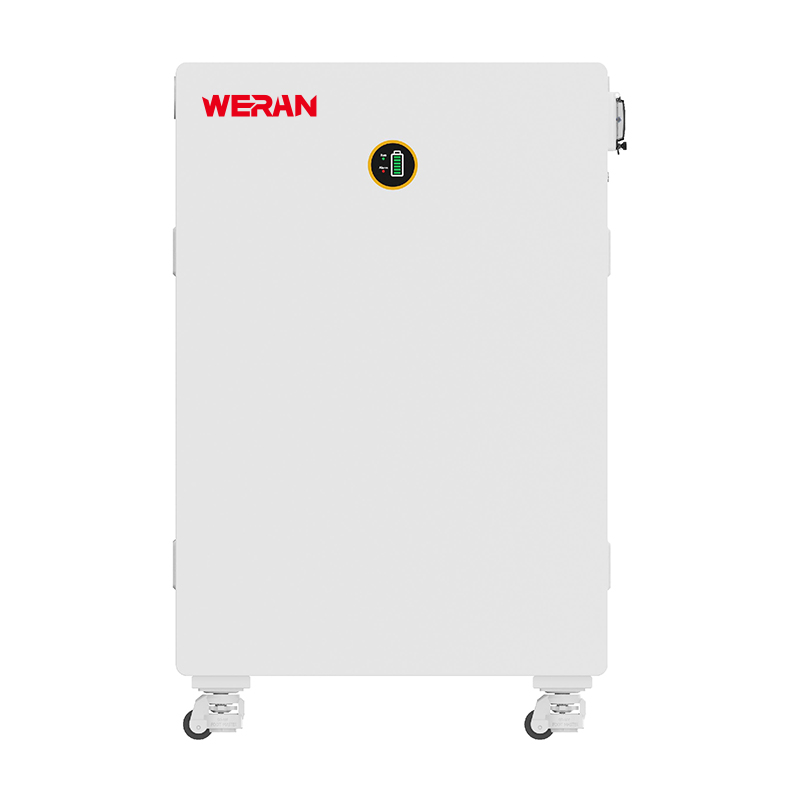
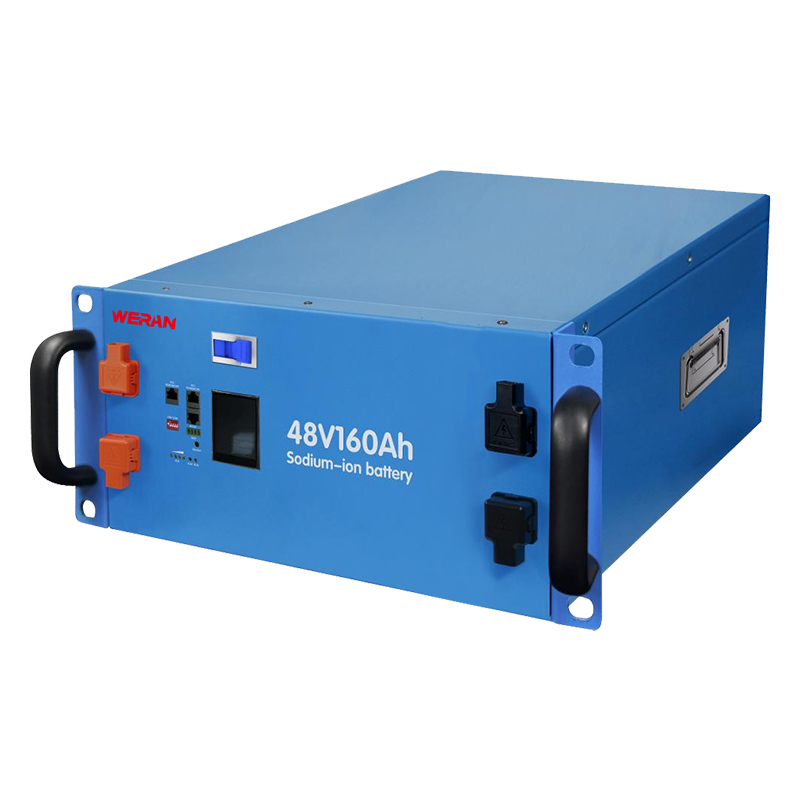
WERAN’s solar power generation systems use sodium-ion batteries in conjunction with high-efficiency PV modules, offering a complete and safe solution for off-grid and backup power needs. The use of sodium-ion batteries allows WERAN to deliver energy solutions that are not only safe but also environmentally friendly, contributing to a greener, more sustainable future.
Sodium-Ion vs Lithium-Ion Battery Safety Features
| Feature |
Sodium-Ion Battery |
Lithium-Ion Battery |
| Thermal Stability |
Higher thermal stability, less prone to overheating |
Risk of thermal runaway, requires extensive safety mechanisms |
| Flammability |
Non-flammable electrolyte, safer in case of internal faults |
Flammable liquid electrolyte, risk of fire or explosion |
| Chemical Composition |
Made from abundant, non-toxic materials |
Made from rare and toxic materials (e.g., cobalt, nickel) |
| Environmental Impact |
More sustainable, lower environmental hazards |
High environmental cost due to rare material mining |
| Battery Design |
Simpler design, less prone to short circuits |
Complex design, needs thermal management to ensure safety |
FAQ
1. Are sodium-ion batteries safer than lithium-ion batteries?
Yes, sodium-ion batteries generally offer better thermal stability and are less likely to catch fire or overheat compared to lithium-ion batteries.
2. What are the main advantages of sodium-ion batteries in terms of safety?
Sodium-ion batteries are made with non-flammable electrolytes, reducing the risk of fire. They are also chemically more stable, making them less likely to overheat or undergo thermal runaway.
3. Can sodium-ion batteries be used in electric vehicles?
Yes, sodium-ion batteries are being researched and developed for use in electric vehicles (EVs), as they offer a safer and more cost-effective alternative to lithium-ion batteries.
4. How does WERAN ensure the safety of their energy storage systems?
WERAN uses sodium-ion batteries in their solar power generation systems, which provide superior safety features compared to lithium-ion batteries. The integration of these batteries helps enhance the overall safety and sustainability of the solar energy storage systems.
5. Will sodium-ion batteries replace lithium-ion batteries in the future?
While sodium-ion batteries are promising due to their safety and sustainability, lithium-ion batteries are likely to remain the dominant technology for certain applications, such as EVs, for the foreseeable future. However, sodium-ion batteries may become more prevalent in large-scale energy storage systems.
When it comes to battery safety, sodium-ion batteries stand out as a more secure alternative to lithium-ion batteries, particularly in applications that require thermal stability and reduced fire risk.
 English
 Français
 Español
 عربى
عربى Український