What Are the Environmental Impacts of Solar Lithium Batteries Compared to Traditional Batteries?
As the world continues its transition to renewable energy sources, understanding the environmental impacts of various energy storage technologies becomes essential. One such technology that has gained significant attention is the solar lithium battery, particularly the deep cycle LiFePO4 battery and LiFePO4 battery packs. But how do these technologies compare to traditional batteries, such as lead-acid or nickel-cadmium, in terms of environmental sustainability?
Introduction to Solar Lithium Batteries
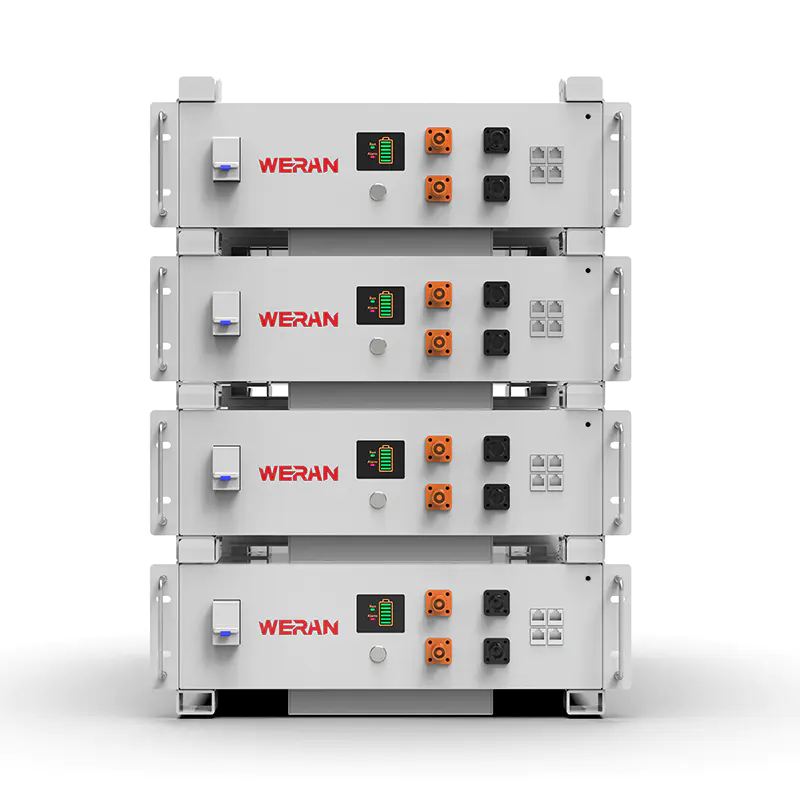
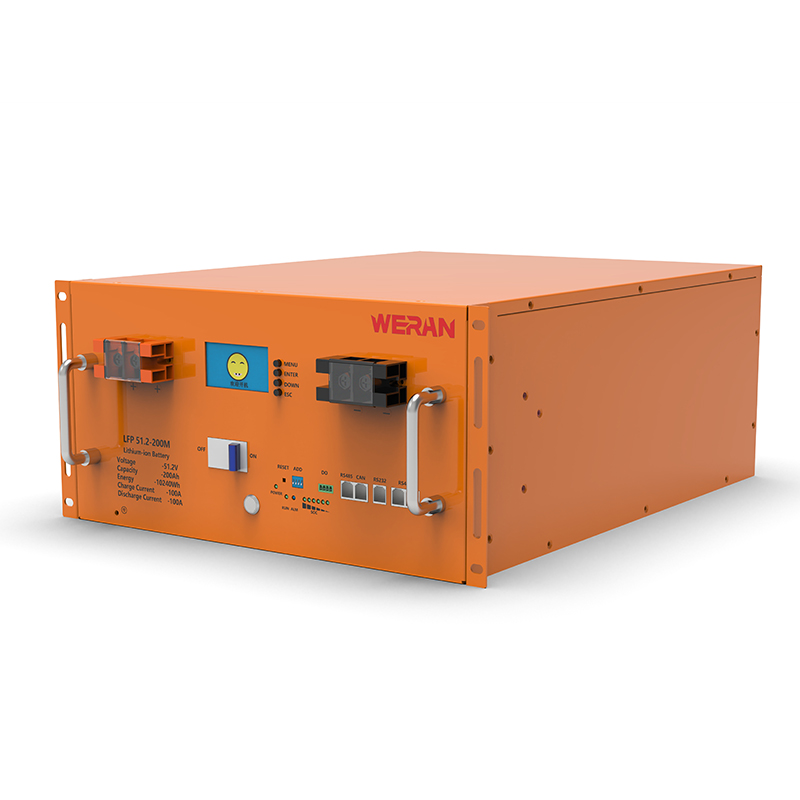
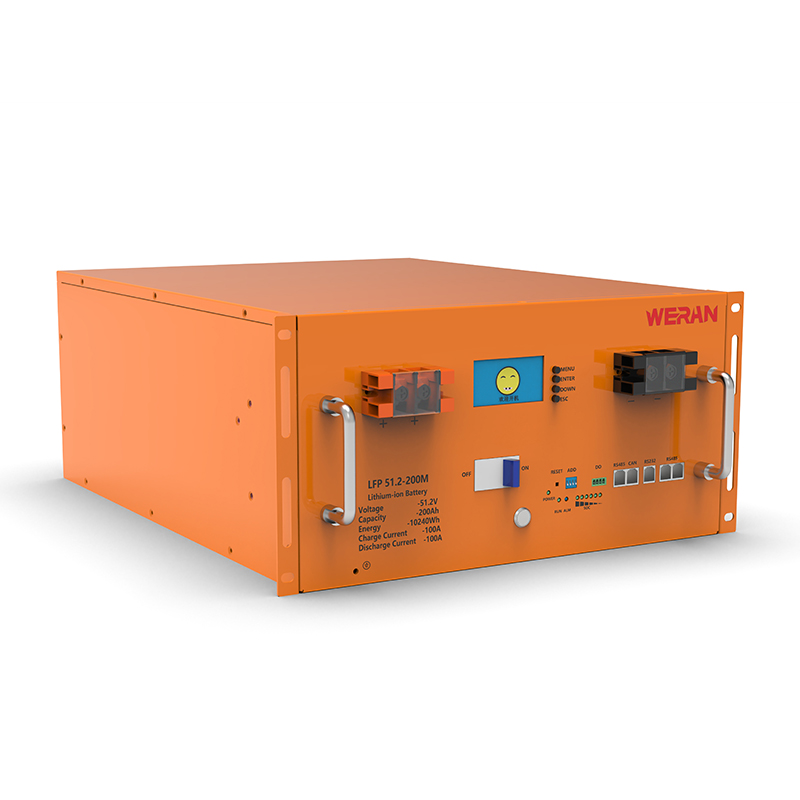
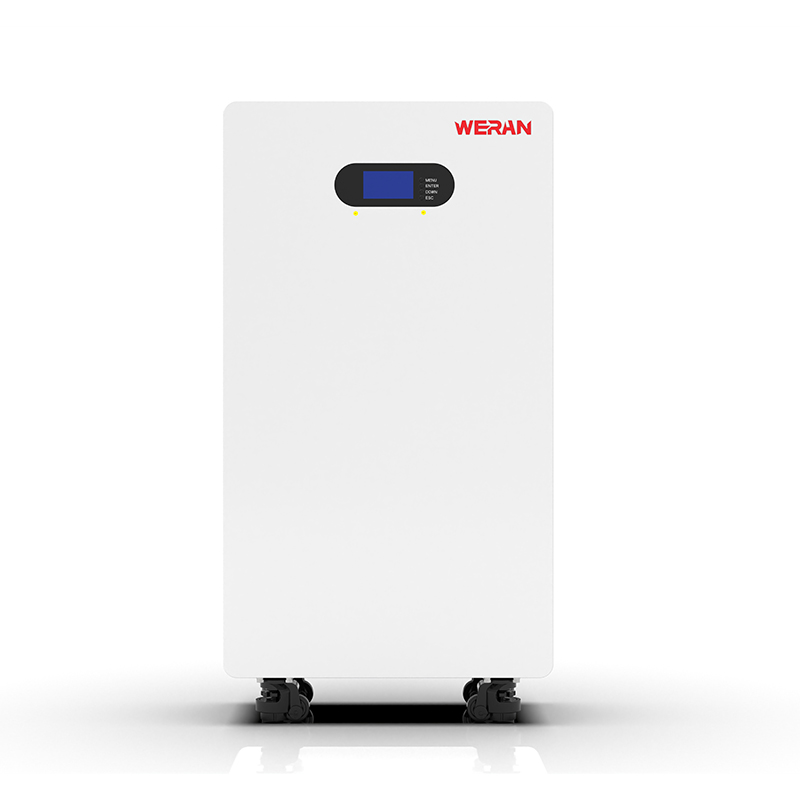
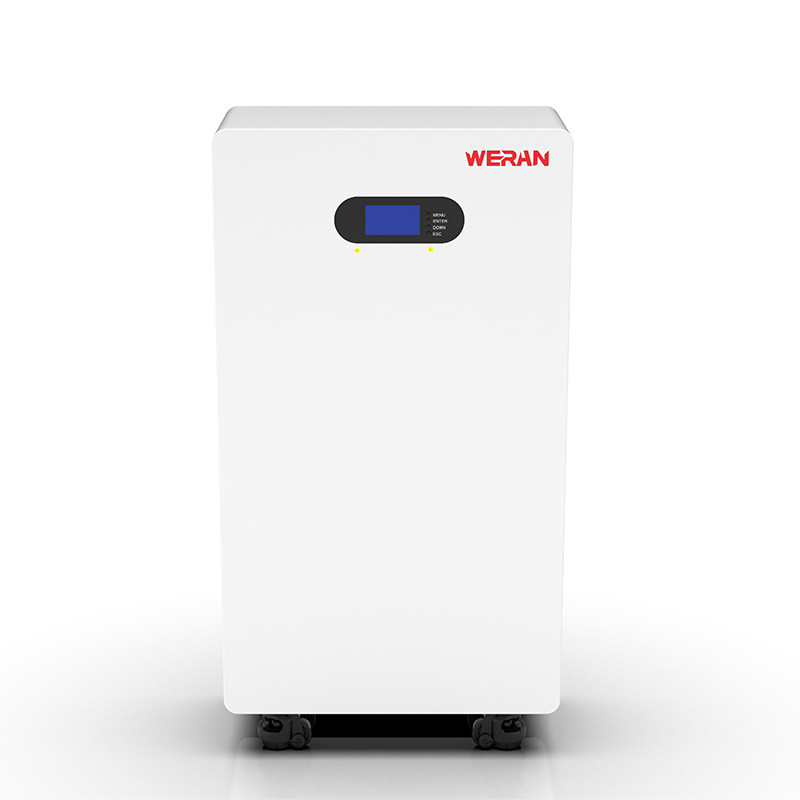
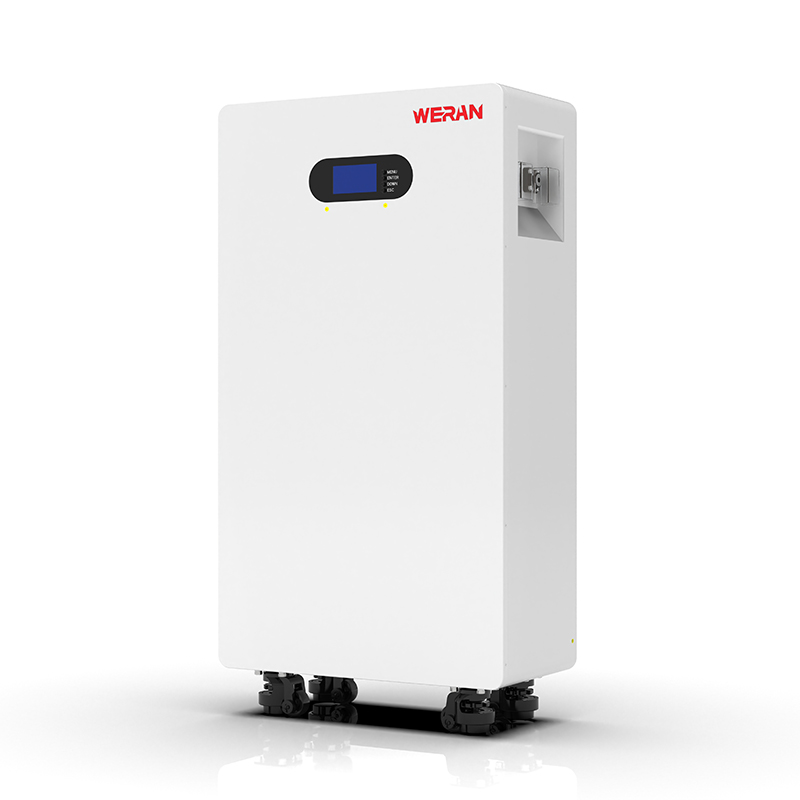
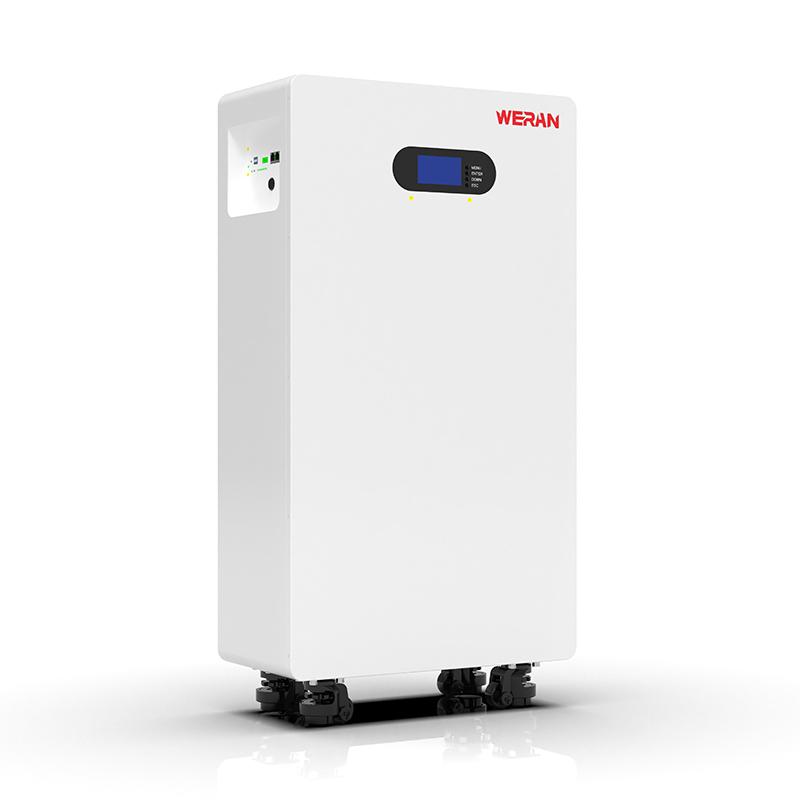
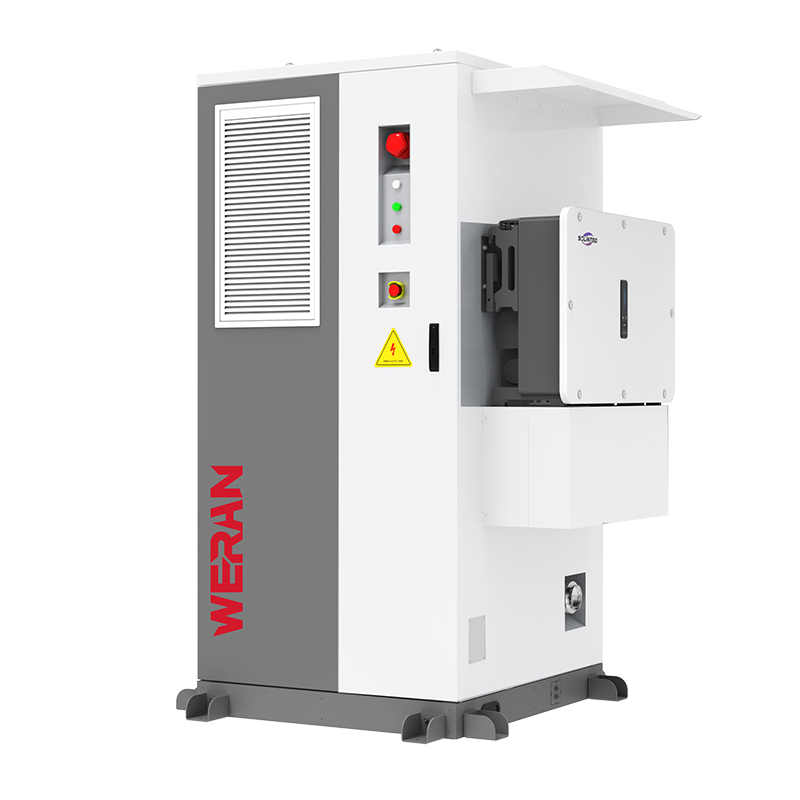
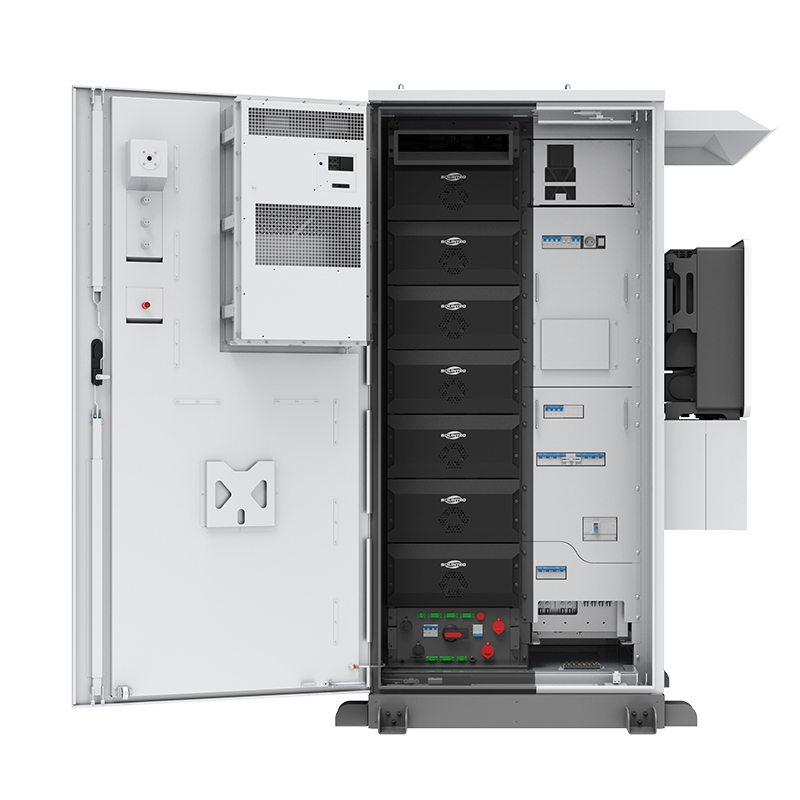
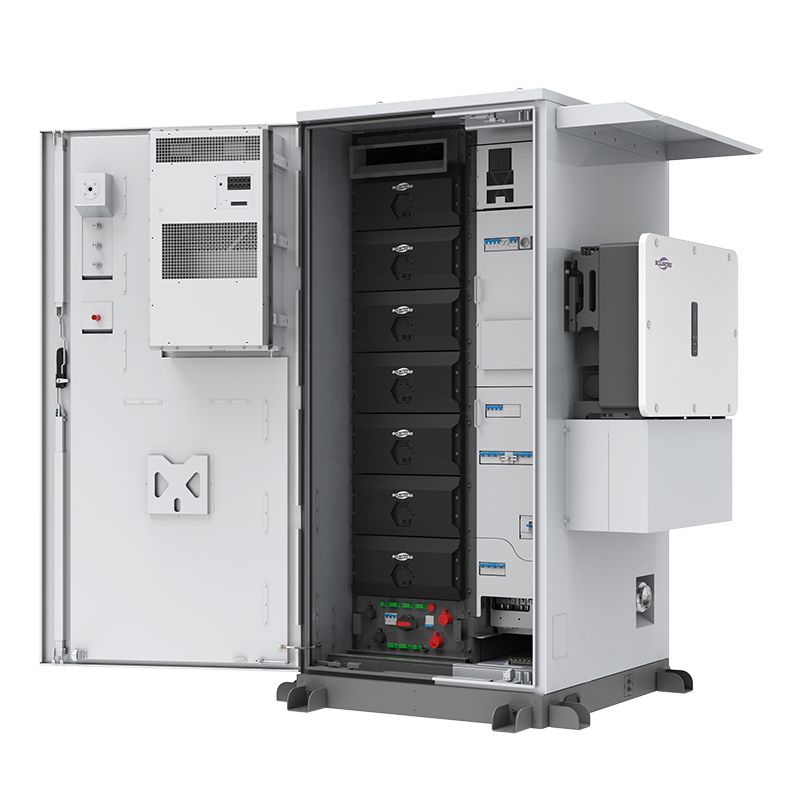
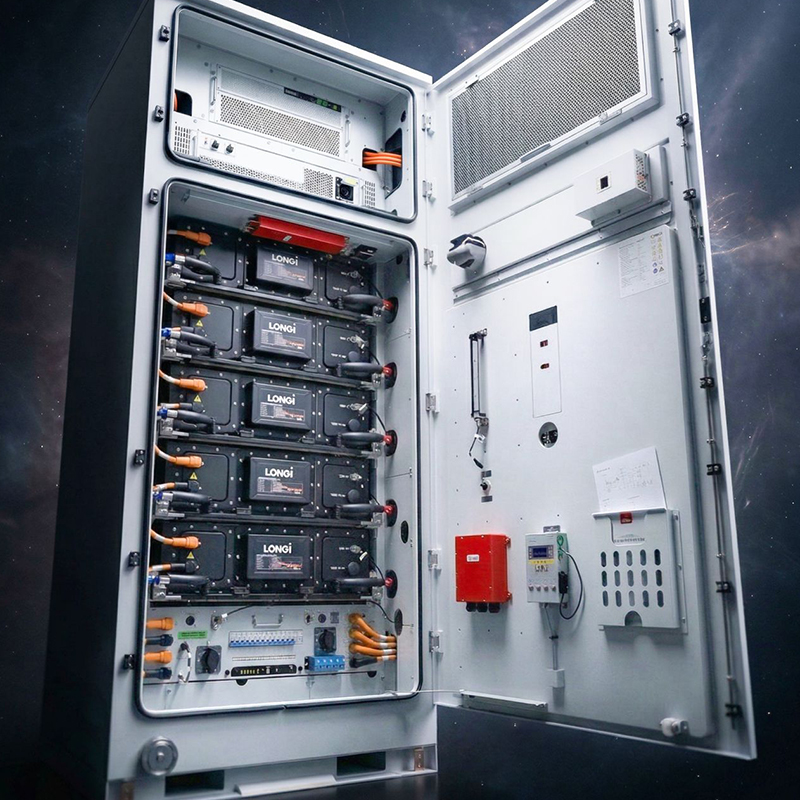
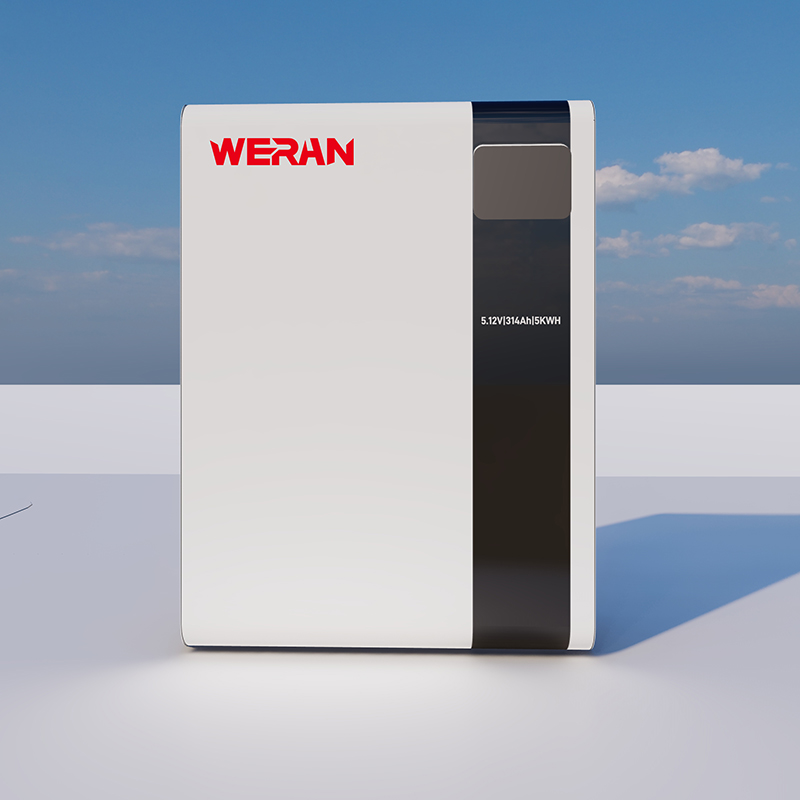
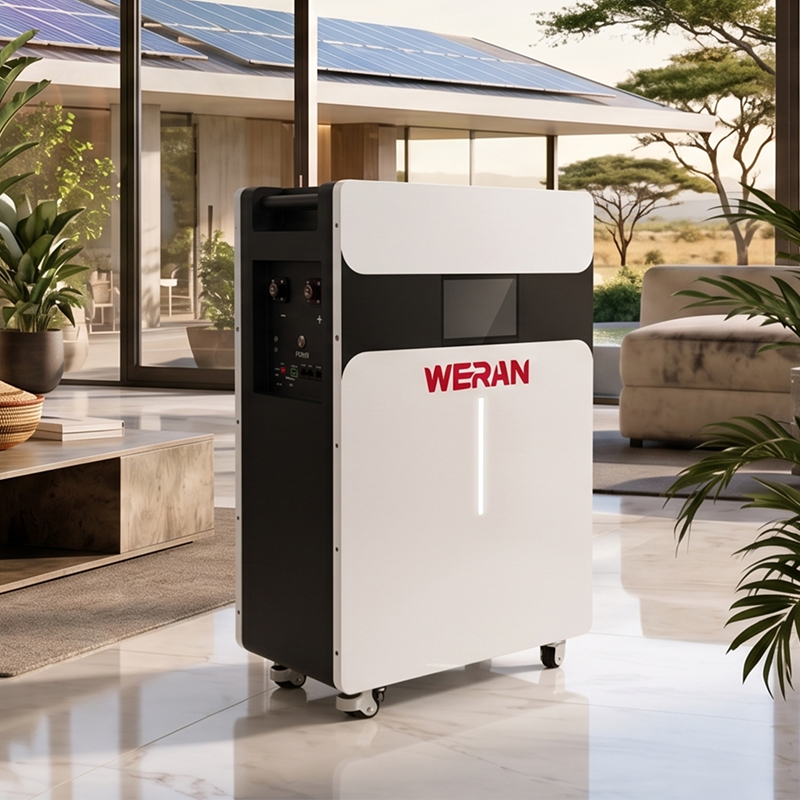
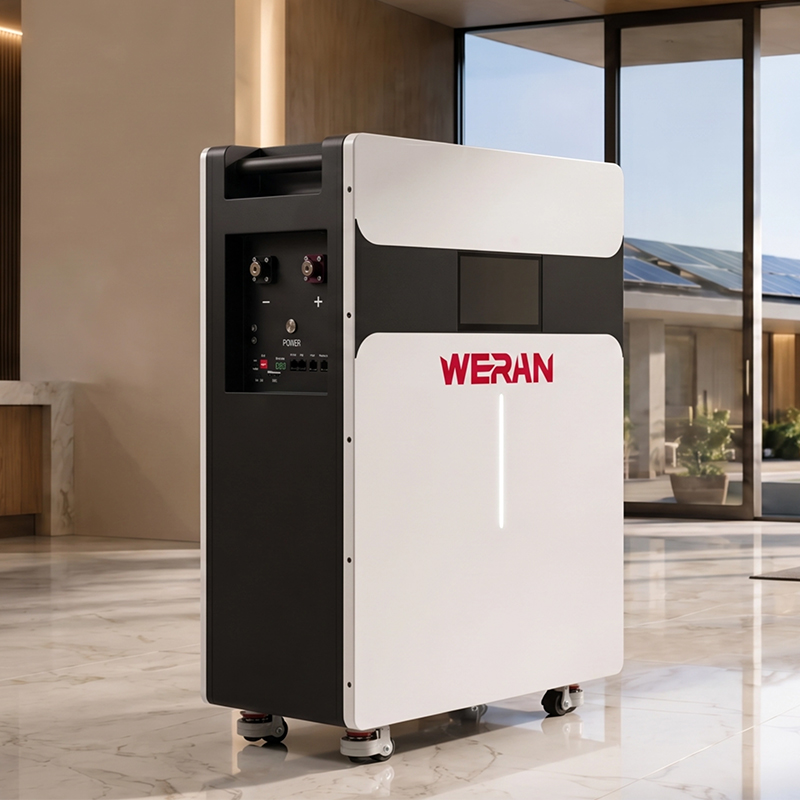
Solar lithium batteries, especially deep cycle LiFePO4 batteries, are commonly used in energy storage systems for solar power. These batteries are integral components of solar power systems, storing energy generated during sunny periods for use when the sun isn’t shining. LiFePO4 (lithium iron phosphate) technology is known for its high energy density, long cycle life, and thermal stability, making it an attractive option for both residential and commercial solar systems.
On the other hand, traditional batteries, such as lead-acid batteries, have been the go-to choice for energy storage for many years. However, with the rise of renewable energy, their disadvantages in terms of efficiency, lifespan, and environmental impact have prompted a shift toward newer, more sustainable options like lithium-based batteries.
Raw Material Extraction and Sourcing
The environmental impact of any battery begins with the extraction of raw materials. For traditional lead-acid batteries, the primary material is lead, which is toxic and requires mining, a process that can lead to soil contamination and water pollution. Additionally, the mining of lead can have adverse effects on local ecosystems, requiring large amounts of water and energy.
In contrast, solar lithium batteries use lithium, cobalt, and nickel, which are required for the production of the lithium-ion and LiFePO4 cells. While lithium mining can cause environmental damage, particularly in regions like the lithium triangle of South America, modern lithium extraction methods are improving. Weran Solar Co., Ltd. is committed to implementing sustainable practices—such as extracting lithium from brine—a method that mitigates environmental impact compared to traditional mining techniques.
Cobalt mining, however, remains a significant concern due to its environmental and ethical implications. Cobalt is primarily mined in the Democratic Republic of the Congo, where mining practices are often linked to poor labor conditions and environmental degradation. This has spurred efforts in the battery industry to reduce or eliminate cobalt from their products, particularly in the case of LiFePO4 batteries, which do not require cobalt.
| Material |
Impact in Traditional Batteries |
Impact in Solar Lithium Batteries |
| Lead |
Toxic, water and soil contamination |
Not used in lithium-ion or LiFePO4 batteries |
| Lithium |
Less impact but energy-intensive mining |
Impact can be reduced with sustainable practices |
| Cobalt |
Not used in traditional batteries |
Ethical concerns and environmental impact from mining |
| Nickel |
Used in some traditional batteries |
Widely used in lithium-ion batteries, but environmentally managed |
Production Process and Manufacturing Impact
The manufacturing of solar lithium batteries is a complex process that involves assembling the battery cells, ensuring they meet safety standards, and integrating them into battery packs. In this regard, the environmental impact of lithium-based batteries is lower than traditional batteries, especially when considering the advances in production efficiency.
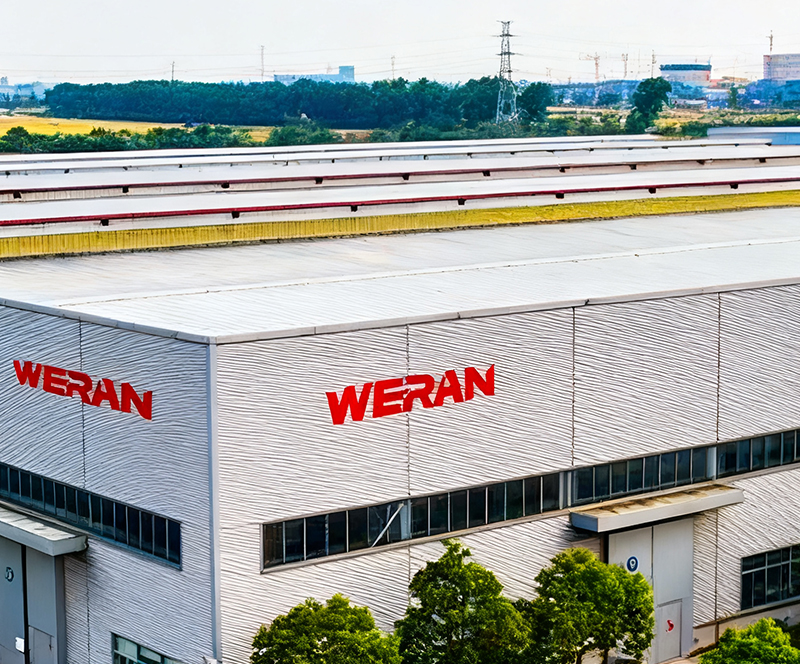
Weran Solar Co., Ltd., for instance, leverages advanced equipment in its production base to manufacture high-efficiency photovoltaic (PV) modules, ensuring that the overall environmental footprint of their solar solutions is minimized. These advances also benefit the production of solar lithium batteries, as they use energy-efficient techniques that reduce emissions and waste.
While the production of lithium batteries can still involve energy-intensive processes, the growing use of renewable energy in battery manufacturing facilities helps mitigate their environmental impact. For example, some manufacturers are now using solar power or wind energy to power their factories, further reducing the carbon footprint of the production process.
Energy Efficiency and Lifecycle Performance
One of the major advantages of solar lithium batteries is their high energy efficiency. Lithium-ion and LiFePO4 batteries offer longer lifecycles and higher charge/discharge efficiencies than traditional lead-acid batteries. Lead-acid batteries typically have an efficiency of 70-80%, whereas lithium batteries can achieve efficiencies up to 90-95%, allowing more energy to be stored and used from each unit of electricity.
Additionally, the lifespan of solar lithium batteries is significantly longer than that of traditional lead-acid batteries. Lead-acid batteries typically last around 500-1,000 charge cycles, while LiFePO4 batteries can last between 2,000 and 5,000 cycles, meaning they need to be replaced less often. This not only makes them a more cost-effective solution in the long run, but also reduces the overall resource consumption and environmental impact associated with manufacturing new batteries.
End-of-Life Management and Recycling
When a battery reaches the end of its life, the method of disposal or recycling plays a crucial role in determining its environmental impact. Traditional lead-acid batteries are relatively easy to recycle, with a high recycling rate of around 95%. However, improper disposal can still lead to significant environmental damage due to the toxic nature of lead.
In contrast, recycling lithium-ion batteries, especially those using LiFePO4, is more challenging but improving. LiFePO4 batteries have an advantage here as they are less toxic compared to traditional lithium-ion batteries that contain cobalt and nickel. Recycling LiFePO4 batteries can recover valuable materials like lithium and iron, reducing the need for virgin materials and further improving their environmental credentials.
Weran Solar Co., Ltd. is actively investing in more advanced recycling technologies and partnerships to ensure that end-of-life batteries are disposed of responsibly. Additionally, some manufacturers offer take-back programs, which ensure that batteries are disposed of in an environmentally friendly manner.
Summary and Conclusion
While solar lithium batteries, including deep cycle LiFePO4 batteries and LiFePO4 battery packs, do have an environmental impact, they present a significantly lower environmental footprint compared to traditional batteries. From raw material extraction to production, usage, and end-of-life management, solar lithium batteries are more sustainable, particularly as the industry continues to improve its practices. The shift towards lithium-based batteries in the renewable energy sector aligns with global efforts to reduce carbon emissions and reliance on toxic materials, making them a crucial part of the future of energy storage.
FAQ
1. What is the primary environmental concern with traditional batteries?
Traditional batteries, especially lead-acid batteries, contribute to environmental issues due to toxic lead contamination and inefficient recycling processes.
2. Why are LiFePO4 batteries considered environmentally better than other lithium-ion batteries?
LiFePO4 batteries do not require cobalt, reducing both environmental and ethical concerns related to mining. They also have a longer lifespan and are easier to recycle.
3. How does the production process of solar lithium batteries compare to traditional batteries?
The production of solar lithium batteries involves advanced manufacturing techniques that reduce energy consumption and emissions, making them more environmentally friendly than traditional batteries.
4. Can solar lithium batteries be recycled?
Yes, while the recycling of lithium batteries is more complex than traditional batteries, LiFePO4 batteries are less toxic and can be effectively recycled to recover valuable materials.
5. What are the benefits of using solar lithium batteries in renewable energy systems?
Solar lithium batteries offer higher energy efficiency, longer lifespan, and better overall sustainability compared to traditional lead-acid batteries, making them an ideal choice for solar power systems.
 English
 Français
 Español
 عربى
عربى Український