Why is LONGi Hi-MO 7 Considered the Best Choice for Utility-Scale Solar Projects?
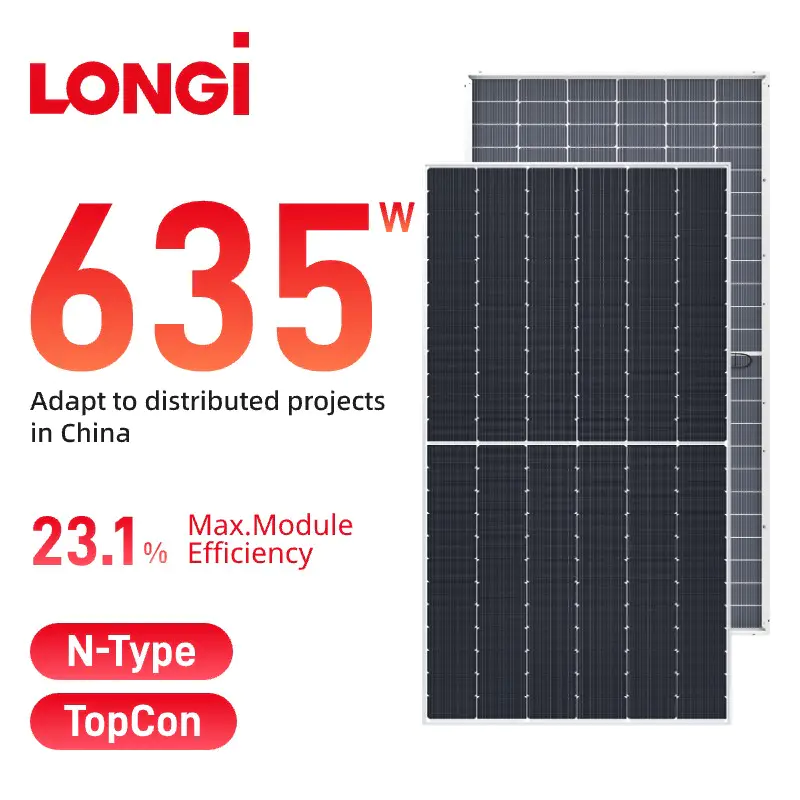
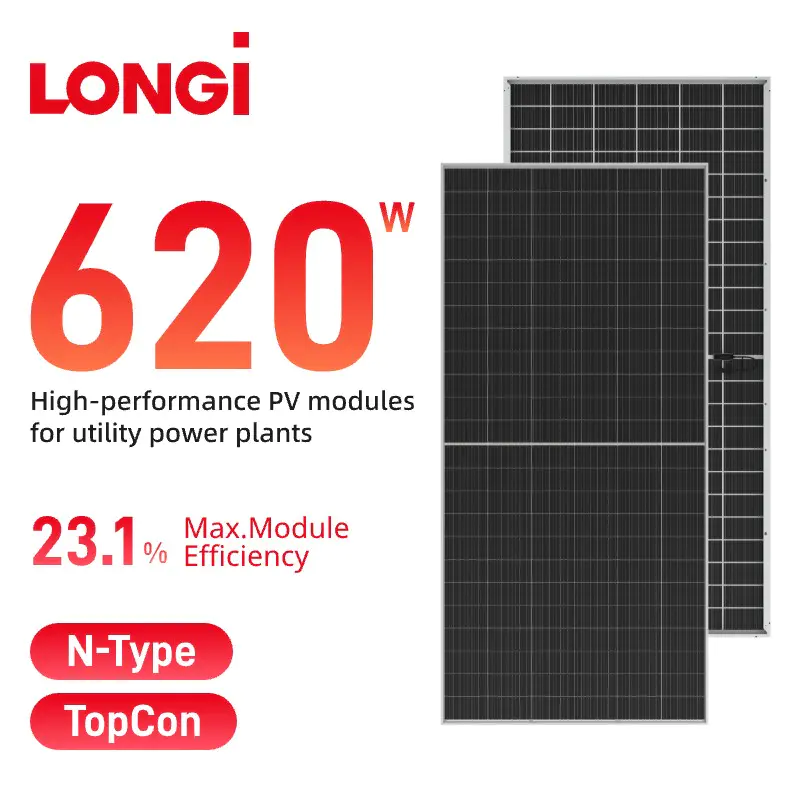
The global transition toward renewable energy infrastructures has placed significant emphasis on the development of high-efficiency photovoltaic technologies capable of sustaining large-scale utility operations. Among the most prominent advancements in this sector is the implementation of N-type Tunnel Oxide Passivated Contact technology. The longi hi-mo 7 n-type TOPCon solar panel represents a pivotal shift in module design, specifically engineered to meet the rigorous demands of utility-scale solar projects. By focusing on high power output and superior energy yield, this series addresses the critical need for optimized system-side economics in complex geographical environments. As utility projects face increasing pressure to lower the Levelized Cost of Electricity, the selection of advanced modules becomes the primary factor in determining long-term financial viability.
The Technical Framework of N-type TOPCon Technology
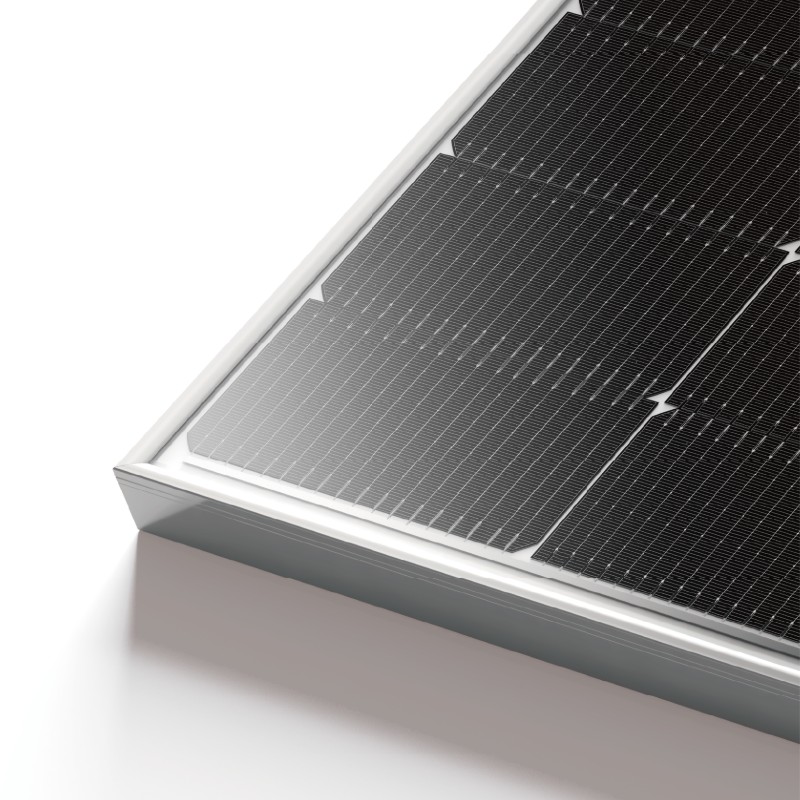
The core of the longi hi-mo 7 n-type TOPCon solar panel lies in its sophisticated cell architecture. Unlike traditional P-type modules, the N-type TOPCon module utilizes a phosphorus-doped silicon substrate which inherently lacks the boron-oxygen pairs responsible for Light-Induced Degradation. This structural advantage ensures that the initial power loss is significantly minimized, maintaining higher efficiency over the lifespan of the installation. The integration of a tunnel oxide layer and a polycrystalline silicon layer provides exceptional surface passivation, which reduces electron recombination and maximizes the open-circuit voltage. This technical precision is essential for utility-scale developers who require predictable and stable energy production across decades of operation.
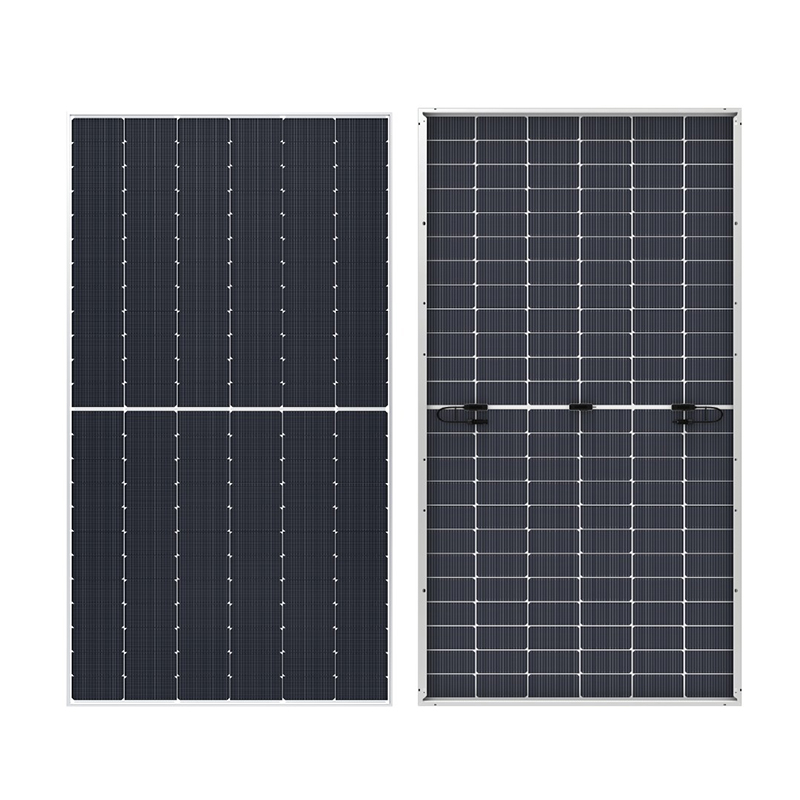
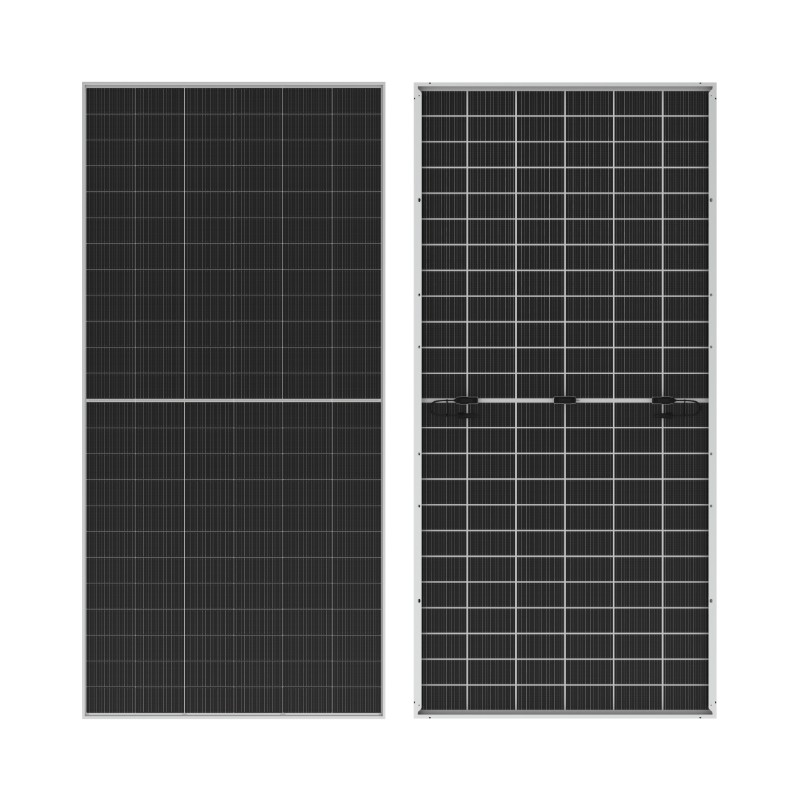
Furthermore, the longi hi-mo 7 n-type TOPCon solar panel features improved bifaciality and a superior temperature coefficient. In utility-scale applications, where modules are often exposed to high ambient temperatures and varying albedo conditions, these characteristics translate directly into kilowatt-hour gains. The module's ability to remain efficient under thermal stress reduces the power drop during peak sunlight hours, while the enhanced rear-side power generation provides an additional yield buffer. This ensures that the comprehensive returns of the project are protected against environmental fluctuations that typically hinder standard module performance.
Optimizing System-Side Economics and LCOE
For utility-scale solar investments, the primary metric of success is the Levelized Cost of Electricity. The longi hi-mo 7 n-type TOPCon solar panel is designed to optimize this metric by reducing both initial capital expenditure and ongoing operational costs. Due to its higher power density, a project utilizing these modules requires fewer units to achieve the same total capacity. This reduction in module count leads to a cascading effect of savings across the Balance of System components. Specifically, it minimizes the requirements for mounting structures, land use, and complex cabling systems. By streamlining the physical footprint of the plant, developers can significantly lower the overall project cost optimization goals.
In addition to physical hardware savings, the N-type TOPCon module enhances the efficiency of inverters and DC-to-AC ratios. Modern utility-scale inverters can operate more effectively with high-power modules that provide stable voltage profiles. JIANGSU BAISHENG INDUSTRIAL CO., LTD., as a technology-driven enterprise specializing in the research and development of high-end technical solutions, recognizes that precision in component selection is vital for system reliability. Much like the rigorous testing performed on safety instruments, the selection of these solar modules ensures that the electrical integrity of the entire PV plant is maintained. This focus on technical excellence and precision design mirrors the core values of our organization, ensuring that utility projects achieve their intended performance benchmarks without premature failure.
Comparative Performance and Yield Advantages
| Feature Category |
Standard Module Comparison |
Hi-MO 7 N-type Advantage |
| Degradation Rate |
Higher initial and annual degradation |
Ultra-low LID and LeTID characteristics |
| Temperature Coefficient |
Approximately -0.34%/°C |
Superior thermal stability at -0.28%/°C |
| Bifaciality |
70% - 75% average |
High bifacial yield exceeding 80% |
| LCOE Impact |
Standard baseline |
Significant reduction via BOS savings |
The data clearly illustrates that the longi hi-mo 7 n-type TOPCon solar panel outperforms mainstream products across all critical performance indicators. The high-efficiency PV solution provides a tangible increase in cumulative energy generation, particularly in regions with high solar irradiance or reflective ground surfaces such as sand or snow. Utility-scale projects located in such environments benefit immensely from the increased bifacial gain, which allows the rear side of the module to capture reflected light with unprecedented efficiency. This performance edge is what makes it a preferred choice for large-scale energy providers looking for long-term returns and sustainable power delivery.
Integration of Professional Standards and Reliability
Technical reliability in the renewable energy sector is not merely a preference but a prerequisite for success. At JIANGSU BAISHENG INDUSTRIAL CO., LTD., we understand that the marriage of innovative engineering and professional expertise is what builds a bridge of trust for customers. Our dedicated R&D team focuses on precision design, a philosophy that is equally applicable to the deployment of the longi hi-mo 7 n-type TOPCon solar panel. In a utility-scale project, every component must meet rigorous technical specifications to prevent downtime and ensure safety compliance. The transition from traditional trading mentalities to a technology-driven approach allows for a deeper understanding of how these advanced modules interact with the broader grid infrastructure.
By prioritizing "Precision in Craftsmanship, Innovation for the Long-Term", JIANGSU BAISHENG INDUSTRIAL CO., LTD. supports the industry's move toward higher quality standards. The high-performance TOPCon technology utilized in these panels ensures that the mechanical and electrical loads are managed efficiently over time. Whether it is resisting wind pressure or maintaining insulation resistance in humid climates, the module's construction is a testament to the pursuit of ultimate reliability. This alignment between our corporate values and the technical rigor of the N-type TOPCon module creates a synergy that benefits global laboratory and safety testing fields, as well as the broader energy market, through customized and reliable solutions.
Operational and Maintenance (O&M) Efficiency
The long-term operational phase of a utility-scale solar project often accounts for a significant portion of the total cost of ownership. Using the longi hi-mo 7 n-type TOPCon solar panel reduces the complexity of O&M activities. Because fewer modules and strings are required, the number of connection points and potential points of failure is reduced. This is crucial for large-scale sites where identifying a single faulty cable or connector can be time-consuming and costly. The advanced solar cell architecture provides better resistance to micro-cracking and shading impacts, ensuring that the plant remains productive even under less-than-ideal field conditions.
- Reduced Inspection Costs: Fewer modules translate to faster thermographic inspections and electrical testing.
- Enhanced Durability: Dual-glass structures provide superior protection against environmental stressors.
- Predictable Output: Lower degradation rates allow for more accurate financial forecasting and energy dispatching.
- Reliable Monitoring: Stable voltage outputs improve the accuracy of string-level monitoring systems.
Maintaining a professional and technical approach to O&M is essential. JIANGSU BAISHENG INDUSTRIAL CO., LTD. emphasizes that continuous improvement is our responsibility. By providing reliable, customized solutions, we help our partners navigate the complexities of international trade and engineering innovation. The longi hi-mo 7 n-type TOPCon solar panel serves as a reliable building block in this process, offering a degree of predictability that is highly valued by risk-averse investors and utility operators who demand comprehensive returns over the 25 to 30-year lifespan of the asset.
Conclusion: A Strategic Asset for Energy Transition
The selection of the longi hi-mo 7 n-type TOPCon solar panel is a strategic decision that goes beyond simple hardware procurement. It represents a commitment to optimized power generation and financial prudence. As the solar industry continues to mature, the focus is shifting from initial cost per watt to the comprehensive value provided over the project lifecycle. This N-type TOPCon module provides the necessary efficiency, durability, and economic advantages to satisfy the most stringent requirements for utility-scale solar projects. Its ability to deliver high yield in diverse conditions ensures that it remains the benchmark for the next generation of PV installations.
Product FAQ
Q1: What are the primary benefits of the N-type TOPCon substrate compared to P-type?
The primary benefits include a near-zero initial Light-Induced Degradation (LID) and significantly lower annual degradation rates. This is because N-type substrates are not susceptible to boron-oxygen defects. Consequently, the modules provide higher cumulative energy yield over 30 years and better performance in low-light and high-temperature environments.
Q2: How does the Hi-MO 7 series contribute to reducing the LCOE?
The Hi-MO 7 series reduces LCOE by offering higher power per module, which reduces the number of units needed. This leads to lower Balance of System costs, including reduced land acquisition, shorter cabling lengths, and fewer mounting racks. Additionally, the higher energy yield per watt further lowers the unit cost of electricity produced.
Q3: Is the Hi-MO 7 suitable for extreme weather conditions?
Yes, the dual-glass design and high-quality encapsulation materials used in the module provide excellent protection against wind, snow loads, and corrosive environments like coastal or desert areas. The superior temperature coefficient also ensures stable performance in regions with extreme heat.
Q4: What role does bifaciality play in utility-scale projects?
Bifaciality allows the module to capture sunlight from both the front and the rear surfaces. In utility-scale projects with optimized ground clearance and reflective surfaces, this can increase the total energy yield by 10% to 25%. This makes the module exceptionally efficient for large-scale ground-mounted arrays.
Q5: How does the precision of the manufacturing process affect long-term reliability?
Precision manufacturing ensures that the tunnel oxide layers and electrical contacts are uniform across every cell. This prevents hot spots and internal resistance losses. High-end technical oversight, similar to the standards upheld by JIANGSU BAISHENG INDUSTRIAL CO., LTD., ensures that every module meets strict quality benchmarks for long-term field stability.
 English
 Français
 Español
 عربى
عربى Український