What are the unique features of the Hi-MO S10 specifically designed for residential rooftops?
Introduction to Advanced Photovoltaic Solutions for Modern Homes
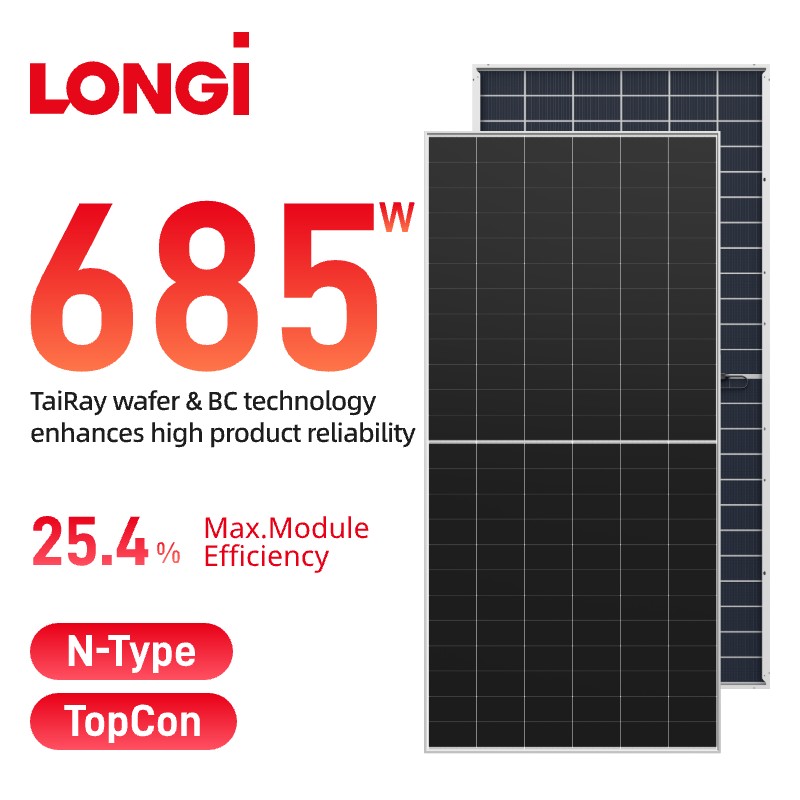
The global shift toward sustainable energy has placed a significant emphasis on high-efficiency photovoltaic modules tailored for residential applications. Among the most prominent advancements in this sector is the LONGi Hi-MO S10 HJT Solar Panel, a module specifically engineered to meet the rigorous demands of high-end distributed power generation. Residential rooftops present unique challenges, including limited installation space, varying environmental conditions, and the need for architectural harmony. To address these factors, the development of the heterojunction solar module has become a focal point for engineers seeking to maximize energy density and long-term reliability. At JIANGSU BAISHENG INDUSTRIAL CO., LTD., we recognize that technical excellence is the foundation of progress, and we align our supply strategies with products that reflect precision in craftsmanship and innovation for the long-term.
As a technology-driven enterprise, JIANGSU BAISHENG INDUSTRIAL CO., LTD. focuses on the distribution and technical verification of high-end equipment. We understand that the residential market requires more than just raw power; it demands a balance of aesthetic integration and superior yield. The HJT bifacial solar module technology employed in the Hi-MO S10 series represents a paradigm shift in how energy is harvested. By utilizing advanced cell structures, this high-efficiency solar component ensures that homeowners can achieve a faster return on investment while contributing to a cleaner environment. The following sections provide a detailed technical analysis of the specific features that distinguish this series in the competitive residential solar market.
The Core Technology: Heterojunction Back Contact (HBC) Architecture
The technical superiority of the LONGi Hi-MO S10 HJT Solar Panel is rooted in its innovative Heterojunction Back Contact (HBC) technology. Unlike traditional front-contact cells, the HBC structure moves all electrical contacts to the rear side of the cell. This design eliminates shading losses caused by metal busbars on the front surface, thereby increasing the effective light-absorption area. The heterojunction solar module architecture combines the advantages of crystalline silicon and thin-film technologies, resulting in a significantly higher conversion efficiency. This is particularly critical for residential rooftops where the total available area is often constrained. By maximizing the power output per square meter, the advanced back-contact HJT module allows for a more compact and powerful system configuration.
Furthermore, the integration of HBC technology enhances the structural integrity of the cells. JIANGSU BAISHENG INDUSTRIAL CO., LTD. emphasizes the importance of ultimate reliability of product quality, and the Hi-MO S10 aligns with this value by offering reduced risk of micro-cracks and potential-induced degradation (PID). The elimination of front-side metallization not only improves performance but also contributes to the module's sleeker, more aesthetic design. This makes it an ideal choice for premium residential projects where the visual impact of the solar array is a primary consideration for the homeowner. The technical synergy between heterojunction layers and back-contact design ensures that the HJT bifacial solar module maintains high performance even under low-light conditions, such as during dawn or dusk.
Technical Specifications and Performance Metrics
To provide a clear understanding of the module's capabilities, the following table outlines the key performance parameters of the LONGi Hi-MO S10 HJT Solar Panel. These metrics reflect the rigorous technical specifications that JIANGSU BAISHENG INDUSTRIAL CO., LTD. prioritizes when evaluating high-end energy solutions for our global partners.
| Parameter |
Technical Description |
Residential Benefit |
| Cell Type |
N-type HBC (Heterojunction Back Contact) |
Maximum efficiency and zero front-side shading. |
| Power Yield |
High power generation yield per unit area |
Optimized for limited rooftop space. |
| Temperature Coefficient |
Low thermal degradation rates |
Stable output in hot climates and summer months. |
| Aesthetics |
Full black or refined dark appearance |
Seamless integration with modern architecture. |
| Reliability |
Enhanced resistance to PID and LID |
Long-term performance stability over 25+ years. |
The data presented above confirms that the heterojunction solar module is not merely an incremental improvement but a specialized tool for energy independence. The low temperature coefficient ensures that as the ambient temperature rises, the power drop-off is much less severe than that of conventional modules. For residential users in warmer regions, this translates to significant gains in annual energy production. JIANGSU BAISHENG INDUSTRIAL CO., LTD. leverages its professional engineering innovation to ensure that the products we supply meet these exact standards, providing our customers with reliable and customized energy solutions.
Aesthetic Integration and Environmental Adaptability
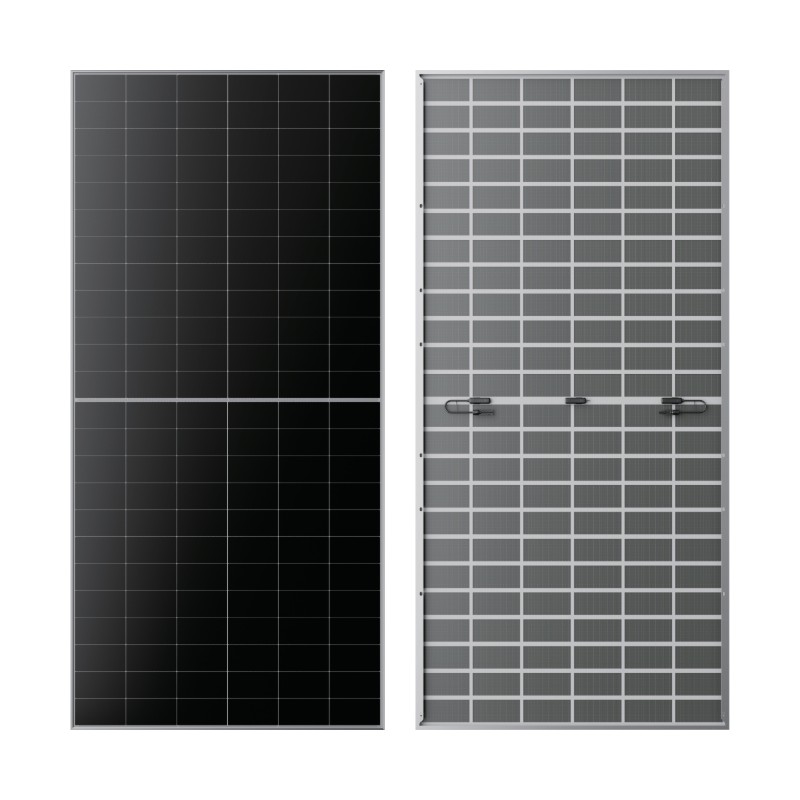
One of the most significant barriers to residential solar adoption has historically been the visual appearance of the modules. The LONGi Hi-MO S10 HJT Solar Panel addresses this by focusing on a premium appearance and quality. The absence of visible grid lines on the front of the HJT bifacial solar module results in a uniform, deep-black surface that complements various roofing materials, from modern metal panels to traditional tiles. This focus on design reflects the precision in craftsmanship that JIANGSU BAISHENG INDUSTRIAL CO., LTD. upholds in all its technical endeavors. We believe that technology should be both functional and visually harmonious with its environment.
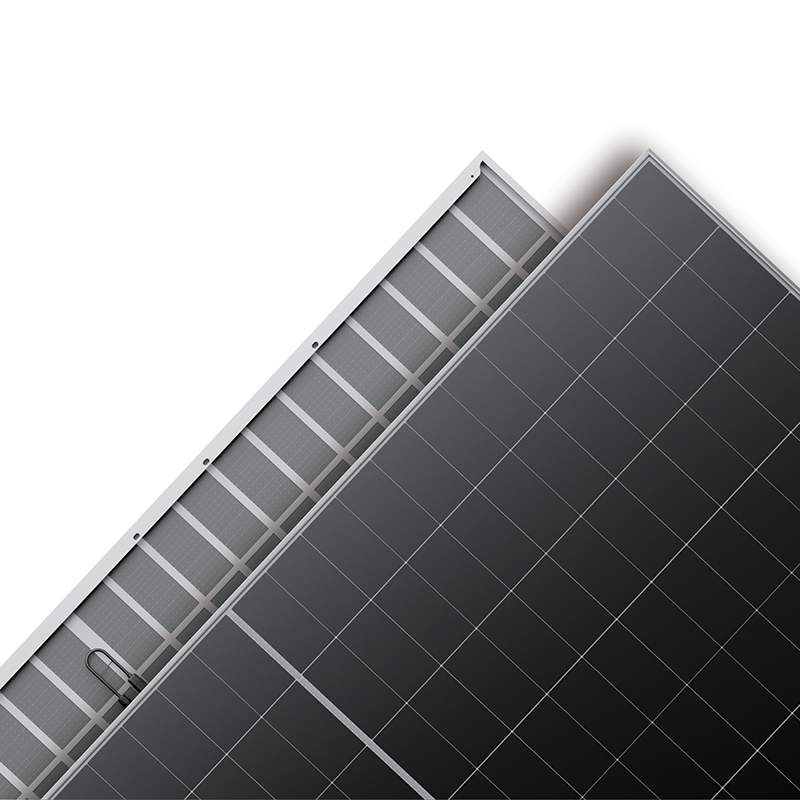
In addition to aesthetics, environmental adaptability is a core feature of the heterojunction solar module. Residential rooftops are exposed to diverse stressors, including salt mist in coastal areas, high humidity, and heavy snow loads. The Hi-MO S10 is designed with excellent environmental adaptability, utilizing high-quality encapsulation materials that protect the sensitive HJT layers from moisture ingress and mechanical stress. The bifaciality of the HJT cells also allows for the capture of reflected light from the roof surface, further boosting the total energy output. This dual-sided energy harvesting is particularly effective on light-colored roofs or in snowy conditions, ensuring that the high-end residential solar unit performs optimally year-round.
Reliability and Long-Term Value Proposition
Investing in a residential solar system is a long-term commitment, typically spanning two to three decades. Therefore, the reliability of the module is paramount. The LONGi Hi-MO S10 HJT Solar Panel utilizes a symmetric cell structure that inherently reduces internal stress, making the cells less prone to cracking during transport or installation. As a heterojunction solar module, it also benefits from the natural immunity to Light-Induced Degradation (LID) associated with N-type silicon wafers. This ensures that the initial high efficiency does not drop significantly after the first few months of exposure to sunlight, providing a stable and predictable energy yield for the homeowner.
At JIANGSU BAISHENG INDUSTRIAL CO., LTD., our core advantage lies in our dedicated R&D team and professional international trade expertise. We meticulously vet the technical integrity of the modules we provide to ensure they meet the rigorous technical specifications required for safety and compliance. The Hi-MO S10's HJT bifacial solar module design is a testament to the type of innovation we support—one that prioritizes long-term innovation and constant refinement. By selecting modules with proven durability and high-end performance, we help our partners build a bridge of trust with their end customers, ensuring that the residential solar transition is both successful and sustainable.
Summary of Unique Residential Features
The Hi-MO S10 series stands out due to several specific design choices that cater exclusively to the residential and high-end distributed markets. The following points summarize the primary advantages of this LONGi Hi-MO S10 HJT Solar Panel:
- Optimized Power Density: The HBC technology allows for higher wattage in a smaller footprint, perfect for residential roofs with obstructions like chimneys or skylights.
- Superior Low-Light Performance: The heterojunction solar module captures more energy during cloudy days and low-sunlight hours, extending the daily generation window.
- Thermal Stability: A industry-leading temperature coefficient ensures that the HJT bifacial solar module maintains its efficiency during peak summer heat.
- Architectural Elegance: The sleek, grid-less design provides a "hidden" solar look that appeals to homeowners who prioritize the curb appeal of their property.
- Enhanced Durability: Advanced encapsulation and N-type wafer technology provide ultimate reliability against degradation and environmental wear.
Through the integration of these features, the high-performance photovoltaic module provides a comprehensive solution for the modern home. JIANGSU BAISHENG INDUSTRIAL CO., LTD. remains committed to providing such reliable, customized solutions that drive the industry forward. Our focus on technical excellence and professional foreign trade experience ensures that our partners receive only the highest quality components for their solar projects.
Frequently Asked Questions (FAQ)
Q1: What makes the HBC technology in the Hi-MO S10 different from standard HJT modules?
The primary difference lies in the contact placement. While a standard heterojunction solar module has metal busbars on both sides, the Hi-MO S10 uses Back Contact technology, moving all electrodes to the rear. This eliminates shading on the front surface, resulting in a sleeker appearance and higher conversion efficiency, which is specifically beneficial for space-constrained residential rooftops.
Q2: How does the bifacial nature of this module benefit a residential rooftop installation?
Although residential modules are often mounted close to the roof, the HJT bifacial solar module can still capture reflected light from the roofing material. Even a small amount of rear-side gain contributes to a higher overall energy yield compared to monofacial modules. This is especially effective on flat roofs with tilted racking or roofs with reflective coatings.
Q3: Is the LONGi Hi-MO S10 HJT Solar Panel resistant to PID and LID?
Yes. Due to the use of N-type silicon wafers and the specific architecture of the heterojunction solar module, the panel is virtually immune to Light-Induced Degradation (LID). Additionally, the advanced encapsulation materials provide superior resistance to Potential-Induced Degradation (PID), ensuring that the module maintains its power generation yield over its entire operational lifespan.
Q4: Why is the temperature coefficient important for residential users?
Solar panels naturally lose efficiency as they get hot. Residential rooftops can reach very high temperatures in the summer. The LONGi Hi-MO S10 HJT Solar Panel has a very low temperature coefficient, meaning it loses less power under heat than standard P-type modules. This ensures more consistent electricity production during the hottest parts of the year when air conditioning demands are highest.
Q5: How does JIANGSU BAISHENG INDUSTRIAL CO., LTD. ensure the quality of these modules?
JIANGSU BAISHENG INDUSTRIAL CO., LTD. employs a dedicated R&D team that focuses on precision design and technical excellence. We verify that every HJT bifacial solar module we supply meets rigorous technical specifications and safety compliance standards. Our commitment to Precision in Craftsmanship ensures that our partners receive products with ultimate reliability for their high-end projects.
Q6: What is the expected lifespan and warranty for this series?
While specific warranty terms depend on the installation agreement, the heterojunction solar module is designed for a service life exceeding 25 to 30 years. The use of high-quality N-type wafers and robust packaging ensures long-term reliability, with a very low annual degradation rate, making it a secure long-term investment for residential energy independence.
 English
 Français
 Español
 عربى
عربى Український