What is the difference between HPBC 1.0 and the new HPBC 2.0 technology in Hi-MO X10?
The global energy landscape is undergoing a profound transformation toward high-efficiency photovoltaic solutions. In this context, the introduction of the LONGi Hi-MO X10 BC Solar Panel marks a significant milestone in the evolution of back contact technology. Built upon the sophisticated HPBC 2.0 cell architecture, this series represents a strategic advancement from its predecessor, HPBC 1.0. At JIANGSU BAISHENG INDUSTRIAL CO., LTD., our focus on precision engineering and technical excellence allows us to appreciate the rigorous specifications inherent in such high-end energy equipment. This article provides a comprehensive technical analysis of how the transition to HPBC 2.0 enhances power generation performance, reliability, and long-term customer value in the distributed PV market.
The Architectural Evolution from HPBC 1.0 to HPBC 2.0
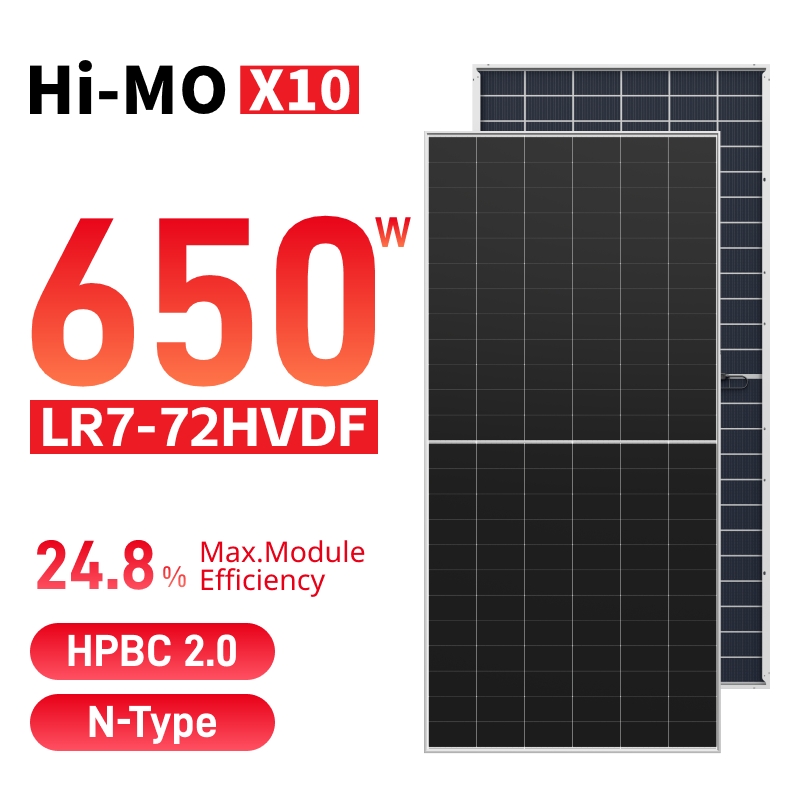
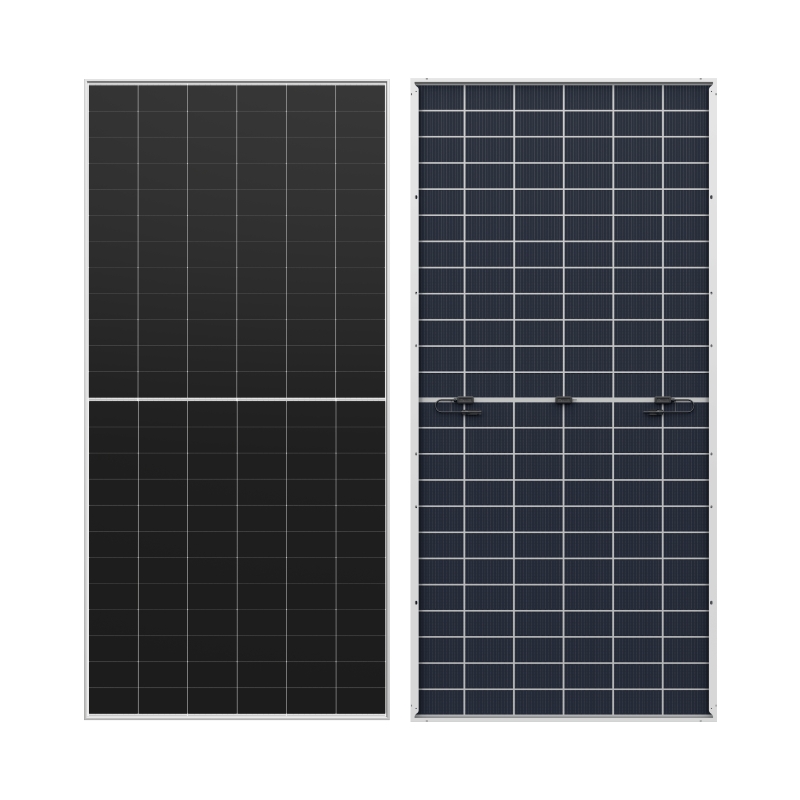
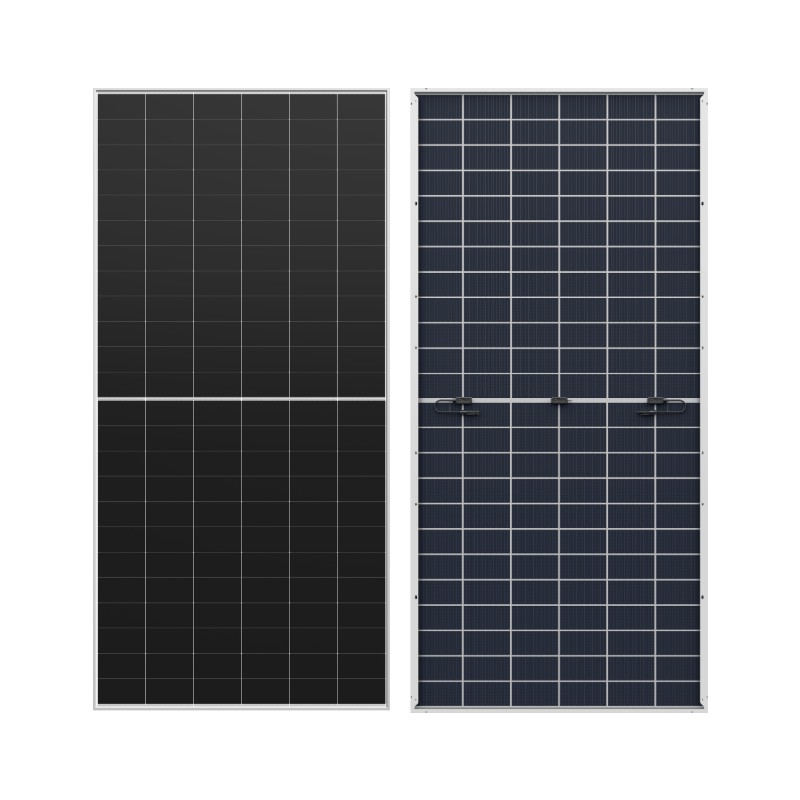
The fundamental distinction between the first generation and the new iteration lies in the refinement of the cell structure and the optimization of light absorption pathways. The HPBC 1.0 technology established the feasibility of high-efficiency back contact mass production, but the HPBC 2.0 framework utilized in the high-efficiency back contact solar module takes these principles further. By eliminating front-side grid line shading entirely and optimizing the internal passivation layers, the HPBC 2.0 technology achieves a superior conversion efficiency. This architectural shift ensures that more photons are captured and converted into electricity, even under challenging atmospheric conditions.
JIANGSU BAISHENG INDUSTRIAL CO., LTD. recognizes that technical excellence is the foundation of progress. Similar to our approach in developing high-end laboratory equipment, the developers of the longi solar panel have prioritized the stability of the manufacturing process. The 2.0 technology reduces internal recombination losses significantly compared to the 1.0 version. This is achieved through advanced laser-doping techniques and improved metallization processes that ensure a more uniform distribution of the electrical field across the cell surface. Consequently, the BC Solar Panel efficiency rating is pushed to new industrial limits, providing a more robust return on investment for large-scale distributed power plants.
Performance Comparison and Technical Specifications
When analyzing the Hi-MO X10 high-performance PV module, the differences in power output and temperature stability become apparent. The HPBC 2.0 technology exhibits a lower temperature coefficient than the 1.0 version. This means that in real-world scenarios where rooftop temperatures can exceed standard test conditions, the power degradation is minimized. For commercial and industrial (C&I) installations, where thermal management is a critical factor, this enhancement in the Back Contact Solar Module design ensures consistent energy yields during peak sunlight hours.
| Technical Attribute |
HPBC 1.0 Standard |
HPBC 2.0 (Hi-MO X10) |
Impact on Performance |
| Cell Efficiency |
Standard high-range |
Superior high-efficiency |
Increased power per square meter |
| Temperature Coefficient |
Competitive industry standard |
Optimized low coefficient |
Better performance in hot climates |
| Light Shading Loss |
Minimal (Back Contact) |
Zero front shading |
Maximum photon absorption |
| Reliability Rating |
High |
Enhanced durability |
Long-term stable returns |
The technical integration provided by JIANGSU BAISHENG INDUSTRIAL CO., LTD. emphasizes that precision in craftsmanship leads to long-term reliability. The longi solar panel utilizes a strategic focus on the distributed market, where space is often constrained. By increasing the power density through the HPBC 2.0 cell, users can achieve higher total system capacity on the same rooftop area. This is a critical advantage for industrial facilities that require high energy density to offset rising operational costs. The BC Solar Panel series effectively strikes a balance between cutting-edge physics and practical economic application.
Reliability and Material Engineering in the Hi-MO X10 Series
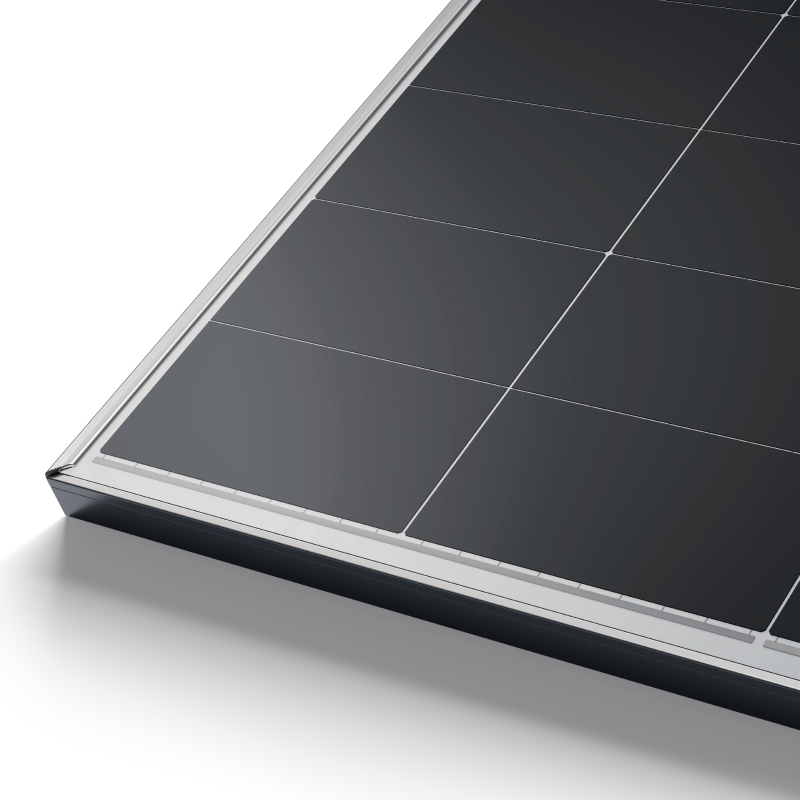
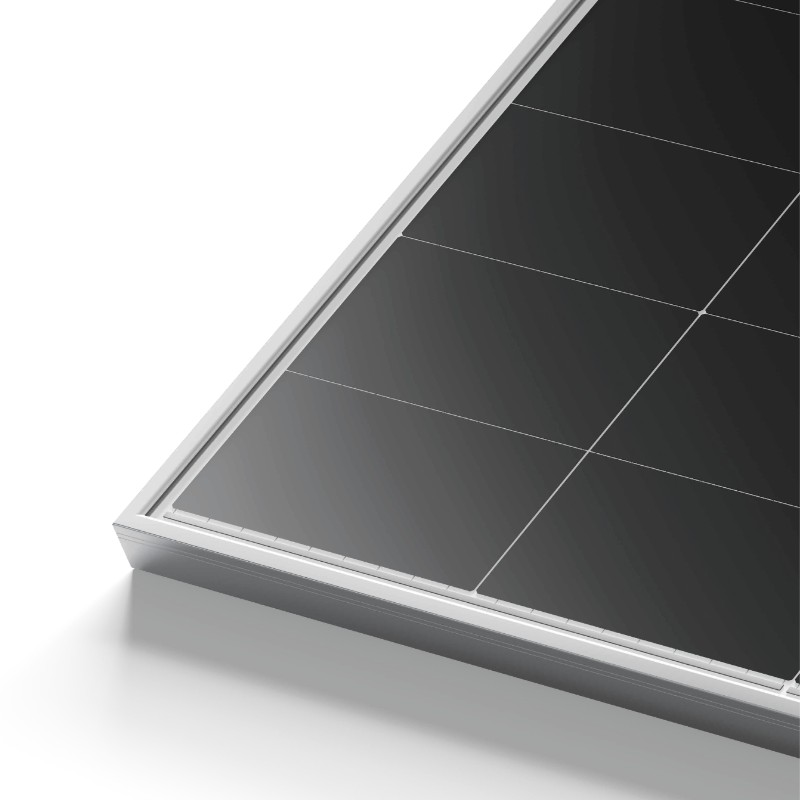
Reliability is not merely a feature but a core requirement for any high-end infrastructure component. The transition to the HPBC 2.0 platform involves significant upgrades in material engineering. The LONGi Hi-MO X10 BC Solar Panel incorporates advanced encapsulation materials and structural reinforcements designed to withstand mechanical loads and environmental stressors. The absence of busbars on the front side not only improves aesthetics but also reduces the risk of micro-cracks and thermal stress points that can occur during the soldering process of traditional modules. This makes the Back Contact Solar Module an ideal choice for environments demanding extreme longevity.
As a technology-driven enterprise, JIANGSU BAISHENG INDUSTRIAL CO., LTD. understands the importance of rigorous technical specifications. The Hi-MO X10 series includes specific product lines like the Scientist and Guardian series. Each is tailored to specific real-world scenarios. For instance, the Guardian series focuses on enhanced safety features and anti-soiling properties, which are essential for C&I rooftops where maintenance access may be limited. The use of the longi solar panel in these contexts ensures that the "Precision in Craftsmanship" principle is upheld throughout the lifespan of the photovoltaic system, mirroring our commitment to providing reliable, customized solutions to our global partners.
Applications in Distributed PV and C&I Rooftops
The distributed PV market requires a unique blend of high performance and aesthetic integration. The Hi-MO X10 next-generation solar solution is designed specifically for these high-demand environments. Whether it is a commercial office complex or a heavy manufacturing plant, the requirement for stable, long-term returns is paramount. The HPBC 2.0 technology provides a higher energy yield over the life of the system due to its lower degradation rates and superior weak-light performance. This makes the BC Solar Panel a benchmark for modern energy transitions.
- Commercial Rooftops: Maximizing ROI through high power density and lower balance of system costs.
- Industrial Facilities: Ensuring safety and durability in environments with varying thermal and chemical exposures.
- Distributed Power Plants: Providing a scalable and efficient energy source that aligns with corporate sustainability goals.
JIANGSU BAISHENG INDUSTRIAL CO., LTD. aims to become a trusted leader in technical fields by working hand in hand with partners who value innovation. By supplying high-end equipment and understanding the nuances of the longi solar panel technology, we facilitate the adoption of sustainable practices. The HPBC 2.0 technology represents the "Innovation for the Long-Term" philosophy, ensuring that the Back Contact Solar Module remains relevant and efficient for decades. The meticulous design of the Hi-MO X10 series reflects a deep understanding of customer value in the evolving energy market.
Conclusion: The Future of High-Efficiency Solar Technology
In conclusion, the shift from HPBC 1.0 to HPBC 2.0 in the LONGi Hi-MO X10 BC Solar Panel is a definitive step forward for the industry. It solves the critical challenges of conversion efficiency and operational reliability through elegant engineering and material science. The longi solar panel continues to set the standard for what a Back Contact Solar Module can achieve in terms of performance and safety. As we move toward a more electrified and sustainable future, the role of BC Solar Panel technology will only become more central to global energy strategies.
At JIANGSU BAISHENG INDUSTRIAL CO., LTD., we remain committed to the principle that technology-driven development is the foundation of progress. By analyzing and supporting the implementation of advanced technologies like the HPBC 2.0, we build a bridge of trust for our customers and partners. The Hi-MO X10 is more than just a product; it is a testament to the power of continuous innovation and the pursuit of precise design in the global energy and safety compliance sectors.
Frequently Asked Questions (FAQ)
Q1: What is the primary advantage of HPBC 2.0 over traditional TOPCon or PERC technologies?
The primary advantage of the HPBC 2.0 technology used in the longi solar panel is its back contact structure, which moves all electrical contacts to the rear of the cell. This eliminates front-side shading, allowing for 100% light-receiving area on the front and significantly higher conversion efficiencies compared to TOPCon or PERC designs.
Q2: Is the Hi-MO X10 series suitable for residential installations?
While the Hi-MO X10 series is strategically focused on the distributed PV market, including C&I rooftops, its high efficiency and superior aesthetics make it an excellent choice for high-end residential projects that require maximum power output from limited roof space.
Q3: How does the "Guardian" line within the Hi-MO X10 series enhance safety?
The Guardian line focuses on functional designs tailored to real-world safety requirements. It incorporates advanced materials that reduce the risk of hotspots and improves fire resistance ratings, making it highly suitable for sensitive industrial environments.
Q4: Does the HPBC 2.0 technology perform better in low-light conditions?
Yes, the HPBC 2.0 cell architecture used in the BC Solar Panel has an optimized internal structure that allows for better spectral response and higher energy conversion during cloudy days or during the early morning and late evening hours.
Q5: What is the expected lifespan of the Hi-MO X10 module?
The Back Contact Solar Module is designed for long-term reliability. Due to its advanced encapsulation and the absence of front-side stress points, it offers a stable power output with minimal annual degradation, typically exceeding a 25 to 30-year operational lifespan with high performance.
 English
 Français
 Español
 عربى
عربى Український