The Shift From Grid Dependence to Self-Managed Power
Homeowners across climate zones are rethinking how electricity reaches their outlets. Rate volatility, extended outages during storms, and the falling cost of rooftop generation have pushed households toward a simple question: can a home produce, store, and manage its own power without leaning on the utility grid every hour of the day? The answer increasingly involves two components working together rather than in isolation - solar panels that harvest daylight and a battery bank that holds it for use after sunset.
Energy autonomy is not about disconnecting from the grid entirely, although that remains an option for some rural properties. For most households it means shifting the balance of power: generating a meaningful share of daily consumption on-site, storing the surplus, and drawing on stored capacity during peak pricing windows or outages instead of paying premium utility rates.
What an Energy Storage System Actually Does in a Home Setup
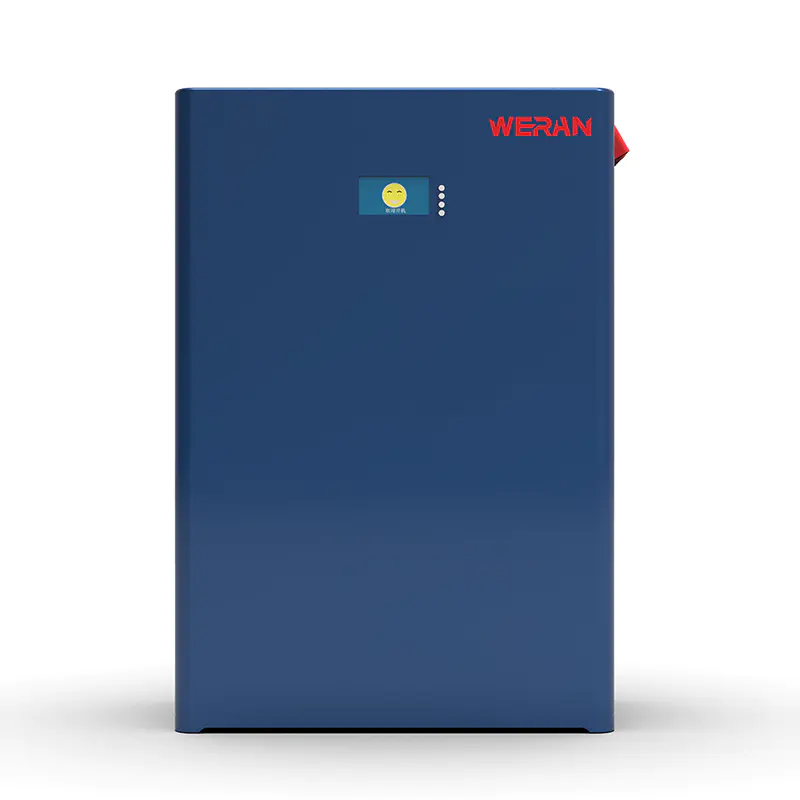
A residential energy storage system sits between the solar array, the household electrical panel, and the utility connection. Its job is threefold: capture excess solar production that the home is not using in real time, hold that capacity safely, and release it on demand when the sun is down, when a cloud passes overhead, or when the grid itself fails.
Without storage, a solar array only offsets consumption during daylight hours. Any unused generation is either sent back to the grid for a credit (where net metering policy allows it) or lost. Adding storage converts that surplus into usable evening and nighttime power, which is typically when household demand peaks - dinner preparation, lighting, entertainment systems, and climate control all draw more heavily after 5 PM in most residential load profiles.
System Component
Primary Function
Typical Operating Window
Solar Array
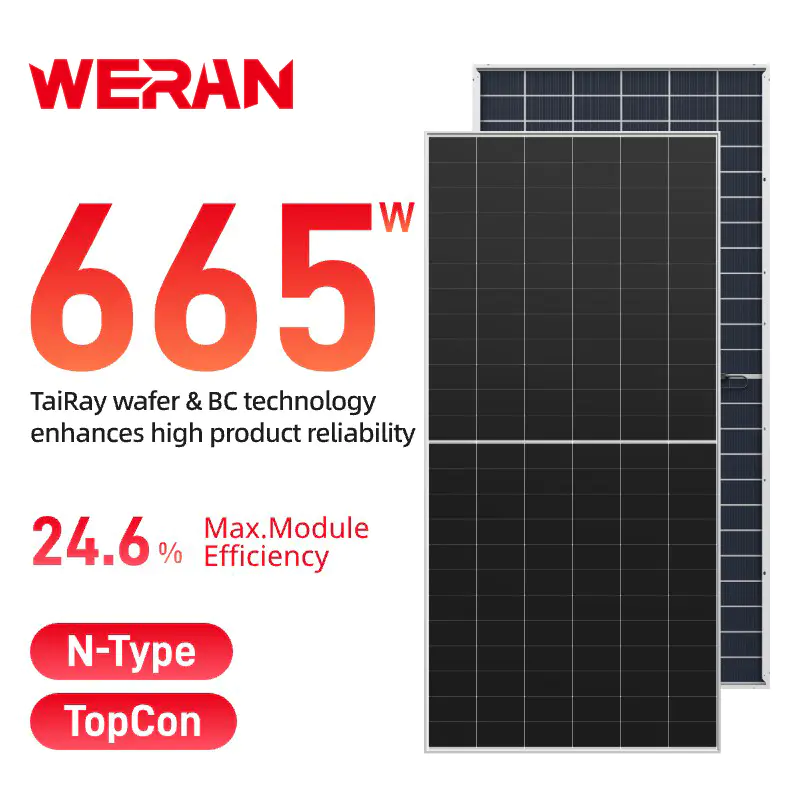
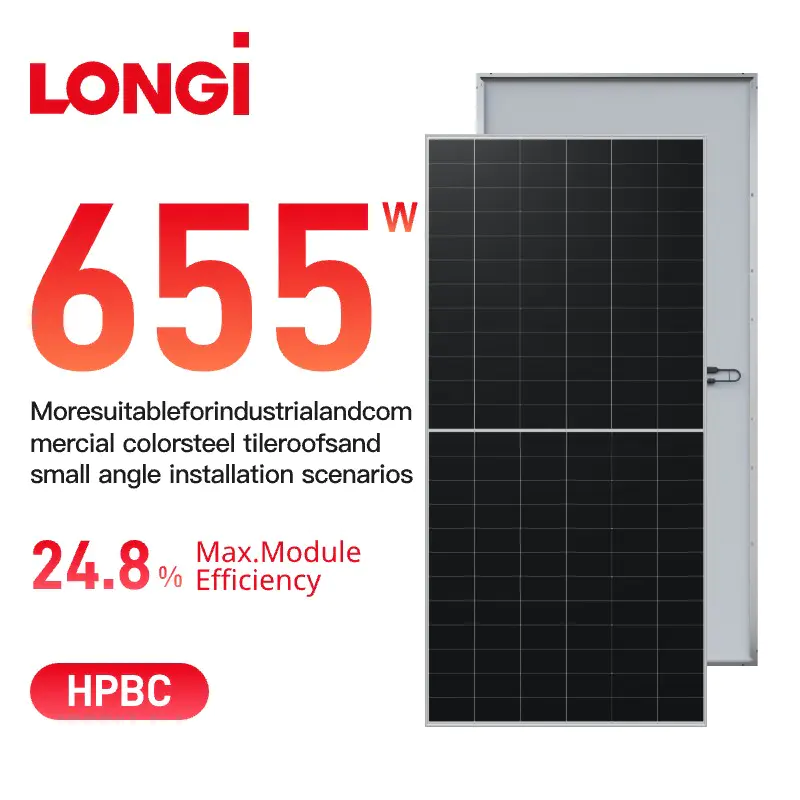
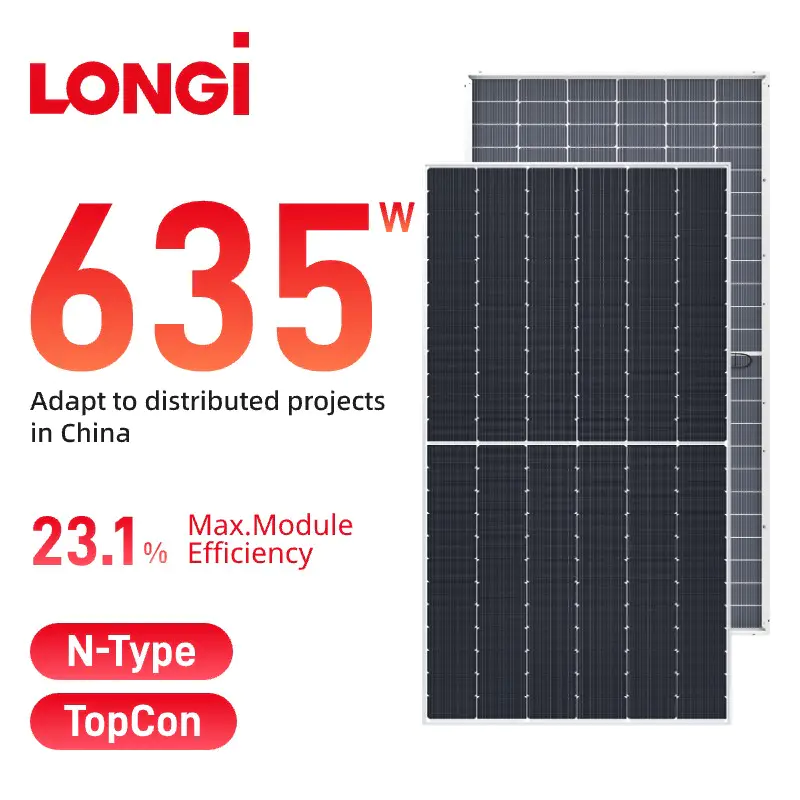
Converts sunlight into DC electricity
Daylight hours only
Inverter/Charge Controller
Converts and regulates power flow
Continuous during active load or charge cycles
Battery Bank
Stores surplus energy for later use
Charges by day, discharges evening/night or during outages
Energy Management Controller
Decides when to charge, discharge, or draw from grid
Battery chemistry choice determines how a storage system performs over its service life. Lithium-ion batteries, and specifically the LiFePO4 (lithium iron phosphate) variant used in most modern residential racks, have become the default recommendation for home installations for a combination of practical reasons rather than marketing preference.
Deep discharge tolerance - most LiFePO4 packs can be cycled to 80 to 90 percent depth of discharge repeatedly without accelerated degradation.
Thermal stability - the iron phosphate cathode structure is far more resistant to thermal runaway than older lithium cobalt chemistries.
Cycle life - typical residential lithium-ion racks are rated for 4,000 to 6,000 full cycles at rated depth of discharge, translating to well over a decade of daily use.
Compact footprint - higher energy density per unit volume means a wall-mounted or rack-based unit can hold meaningful capacity without consuming a garage bay.
Minimal maintenance - sealed, self-monitoring battery management systems remove the watering and equalization routines that older lead-acid banks required.
Households comparing chemistries should also weigh LiFePO4 rack batteries against older lead-acid or lithium cobalt oxide banks on total cost of ownership rather than sticker price alone. A lead-acid bank replaced every three to five years often costs more over a fifteen-year horizon than a single lithium-ion installation.
Comparing Storage Chemistries for Home Use
The table below summarizes how the three chemistries most commonly discussed for residential storage differ across the factors that matter to a homeowner planning a system.
Factor
LiFePO4 (Lithium-ion)
Lead-Acid (Flooded/AGM)
NMC (Lithium-ion)
Typical Cycle Life
4,000 to 6,000 cycles
500 to 1,200 cycles
2,000 to 3,000 cycles
Usable Depth of Discharge
80 to 90 percent
40 to 50 percent
80 to 90 percent
Thermal Risk Profile
Low
Low, but off-gassing risk
Moderate
Maintenance Needs
Minimal
Regular for flooded types
Minimal
Footprint per kWh
Compact
Large
Compact
NMC chemistry offers slightly higher energy density than LiFePO4, but the trade-off in thermal margin and cycle longevity is why most residential-grade rack systems built today standardize on iron phosphate cells instead.
How Solar Panels and Battery Storage Work Together Through a Day
The value of pairing generation with storage becomes clear when mapped against an actual daily load curve. The diagram below traces a typical residential cycle from sunrise to the following sunrise, showing where the battery charges, where it holds, and where it discharges to cover the house.
Morning: the array begins producing as irradiance rises; early output covers baseline loads first.
Midday: generation typically exceeds household demand; surplus routes to the battery bank until it reaches full state of charge.
Afternoon into evening: as solar output tapers, the home draws from stored capacity rather than the grid.
Overnight: the battery continues supplying baseline loads until state of charge reaches a preset reserve floor, at which point the system can fall back to grid power if configured that way.
Sizing a System for Realistic Home Energy Independence
Oversizing wastes capital; undersizing leaves gaps during cloudy stretches or outages. Sizing should start from actual consumption data rather than assumptions, ideally pulled from twelve months of utility billing to capture seasonal swings in heating, cooling, and daylight hours.
Household Profile
Average Daily Use
Suggested Storage Range
Suggested Array Size
Small household, efficient appliances
10 to 15 kWh
10 to 13 kWh
4 to 6 kW
Average family home
20 to 30 kWh
13 to 20 kWh
6 to 9 kW
Larger home with EV charging
35 to 50 kWh
20 to 30 kWh
9 to 13 kW
A common target for partial autonomy is sizing storage to cover the evening and overnight load window - typically six to ten hours - while sizing the array to fully recharge that capacity plus daytime consumption on an average sun day for the local climate zone.
Grid-Tied Backup Versus Full Off-Grid Configurations
Not every household needs or wants to leave the utility grid entirely. Two configurations dominate residential planning, and the right choice depends on outage frequency, local net metering rules, and budget.
Grid-Tied With Battery Backup
The array and battery remain connected to the utility. The system draws from storage first, then the grid, and can island the home automatically during a utility outage. This is the most common residential configuration because it balances cost against resilience.
Off-Grid Energy Storage Solutions
The home disconnects entirely from the utility, relying on the array and battery bank for one hundred percent of consumption, often supplemented by a backup generator for extended low-sun periods. This route demands larger storage capacity and more conservative load management but eliminates monthly utility charges entirely.
Residential solar battery backup setups that stay grid-tied generally recover their investment faster because they avoid the oversized generation and storage margins that pure off-grid systems require to survive multi-day low-sun events.
Keeping a Combined System Reliable Over Its Lifespan
A well-specified system still needs periodic attention to hit its rated service life. The following checklist covers the items that most directly affect long-term performance.
Confirm the battery management system firmware stays current, since updates often improve charge algorithm efficiency.
Inspect panel surfaces seasonally for debris, dust buildup, or shading from new tree growth.
Review historical state-of-charge logs annually to catch gradual capacity fade before it affects backup duration.
Test automatic islanding function at least once a year rather than waiting for an actual outage to find out if it works.
Frequently Asked Questions
Q1: How long can a home battery bank power a house during an outage?
Duration depends entirely on stored capacity versus active load. A mid-sized residential bank covering essential circuits only, such as refrigeration, lighting, and networking equipment, can often run one to three days. Powering an entire home including HVAC will drain the same bank in a matter of hours.
Q2: Do solar panels still generate power without a battery installed?
Yes. Panels can operate on a grid-tied inverter alone, exporting surplus generation to the utility for credit. A battery is an addition that captures that surplus locally instead of sending it out, which becomes valuable when outages are frequent or export credits are limited.
Q3: How much roof space is needed to meaningfully offset a home's electricity use?
This varies by panel efficiency and local irradiance, but as a general reference, covering 60 to 80 percent of average household consumption typically requires between 300 and 500 square feet of usable, unshaded roof area.
Q4: Can an existing solar installation be retrofitted with battery storage later?
In most cases yes, provided the existing inverter is compatible with battery integration or a compatible battery-ready inverter is added alongside it. A qualified installer should assess the existing system's inverter type before specifying a compatible storage unit.
Q5: What is the realistic lifespan of a lithium-ion residential battery bank?
LiFePO4-based systems are commonly rated for ten to fifteen years of daily cycling before capacity fades below a useful threshold, though actual lifespan depends heavily on depth of discharge habits and ambient operating temperature.
Q6: Is full off-grid independence realistic for most homes?
It is achievable but requires significantly larger storage and generation capacity than a grid-tied backup system, along with conservative load management during extended low-sun periods. Most households find a grid-tied backup configuration delivers similar day-to-day resilience at a lower upfront cost.
 English
 Français
 Español
 عربى
عربى Український