WeChat - Scan to Chat
WhatsApp-Scan to Chat
Content
Utility developers, EPC contractors, and regional distributors are steadily moving away from single-glass, front-only modules. Projects now compete on lifetime energy yield per dollar, not just nameplate wattage. Two module families are driving this shift for large-scale and commercial deployments: back contact cell architecture, commonly labeled HPBC or BC, and bifacial double-glass solar modules, which generate power from both the front and rear surface.
For a buyer evaluating wholesale solar panels for a rooftop portfolio, carport project, or ground-mounted utility array, this guide walks through the technical distinctions, the data that matters when comparing quotes, and the practical steps for vetting an OEM supplier.

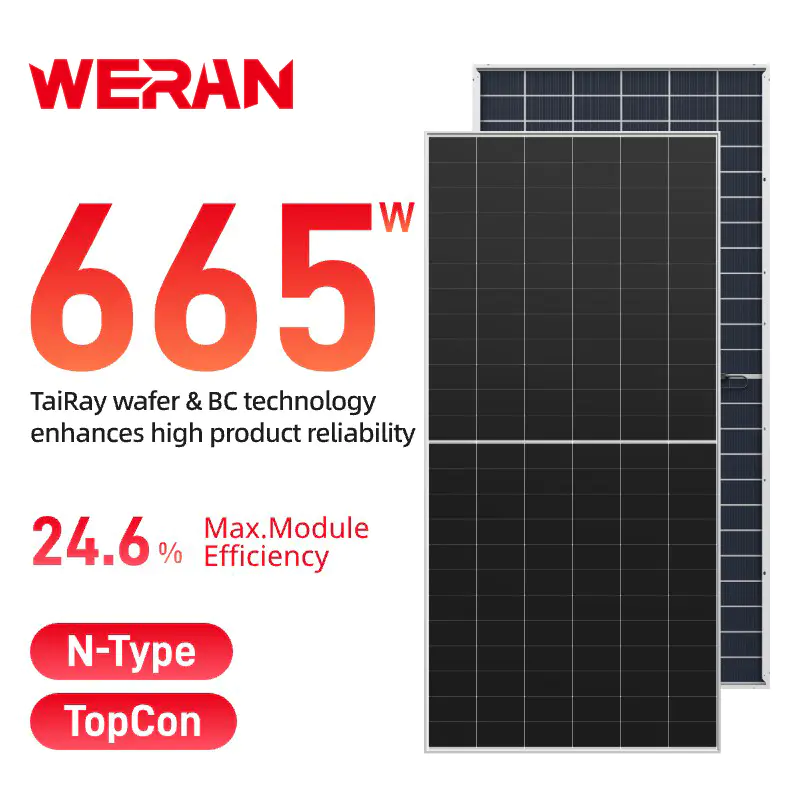
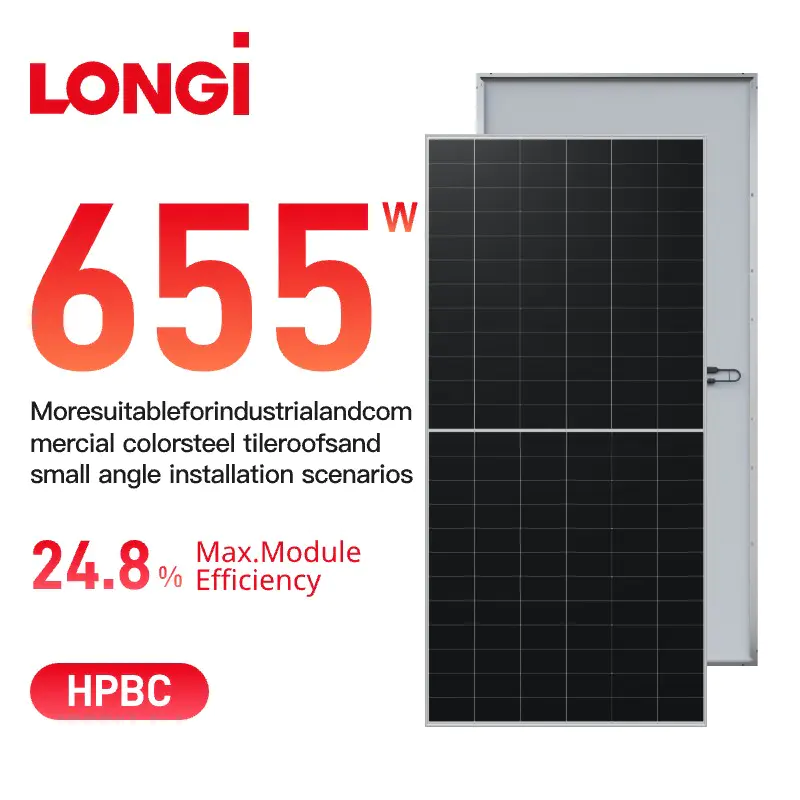
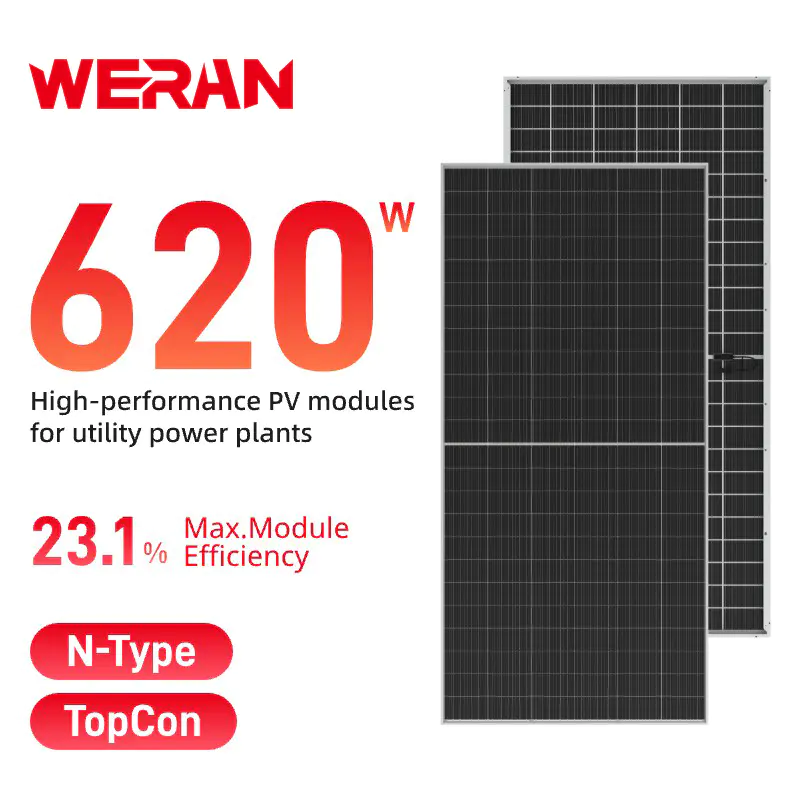
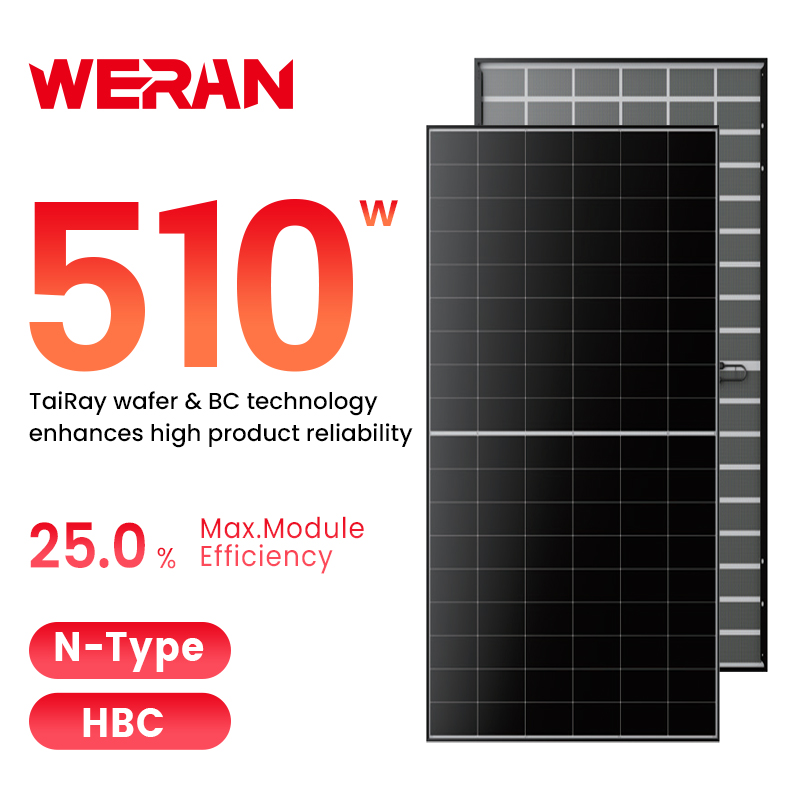
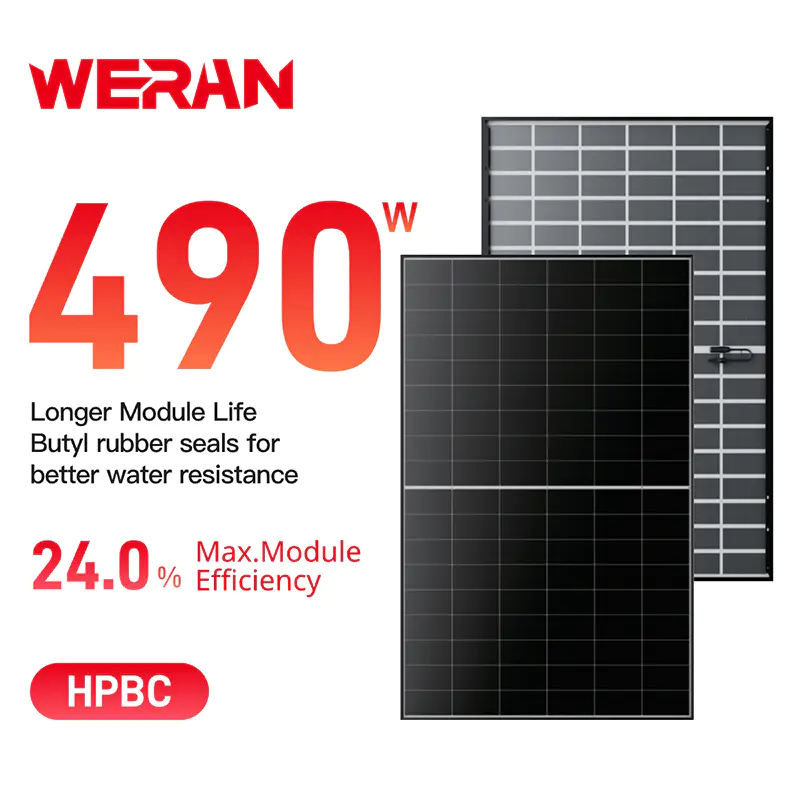
Back contact modules move all electrical contacts to the rear of the cell. Because there is no metallization on the front surface, more incoming light reaches the active silicon layer, which typically improves conversion efficiency and gives a cleaner, uniform black appearance.
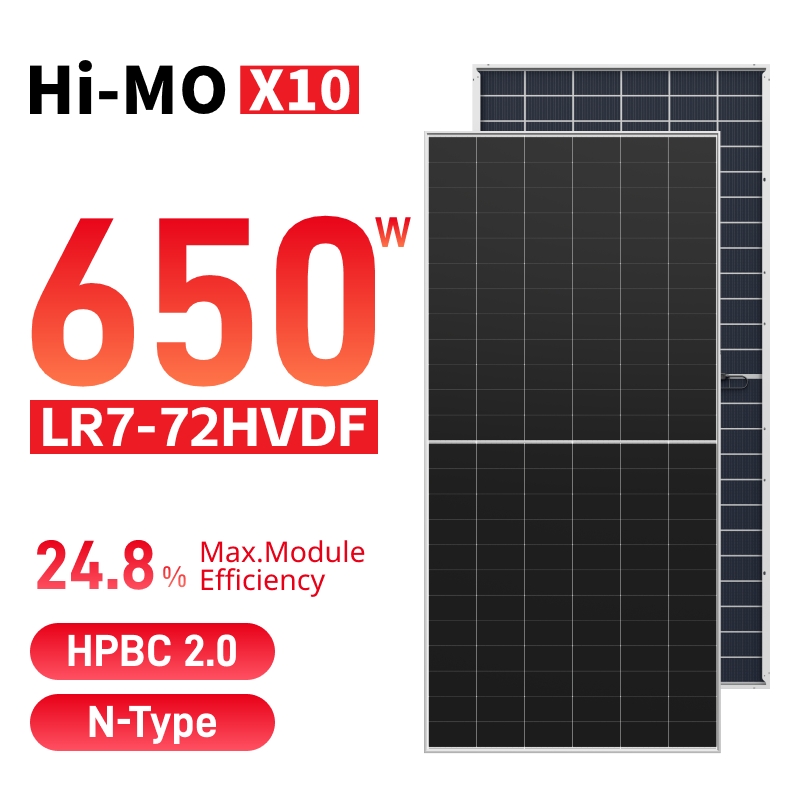
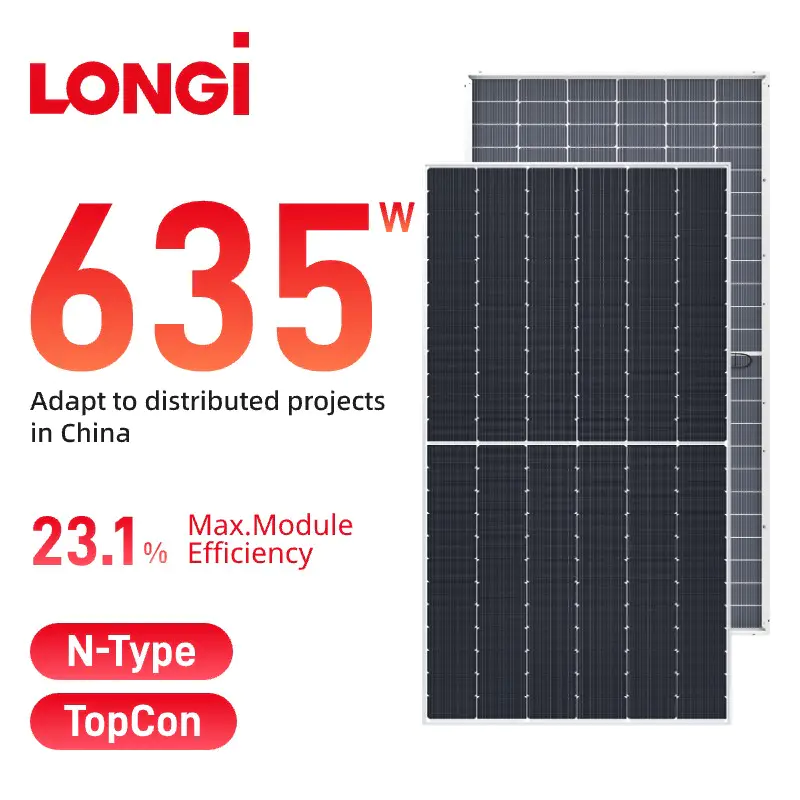
Bifacial double-glass modules take a different approach, using a transparent rear glass layer so light reflected from the ground or a light-colored roof surface also generates current. Many HPBC 2.0 solar panel lines now combine both approaches, which is why datasheets must be compared attribute by attribute.
Efficiency numbers on a datasheet only tell part of the story. Buyers should ask for three figures together: the STC efficiency rating, the annual degradation rate, and the projected retention percentage at year 25.
A panel with slightly lower initial efficiency but a flatter degradation curve can outperform a higher-efficiency panel over the life of a project, particularly on fixed roof area where the total energy harvest matters more than the headline rating.
Unit pricing for HPBC 2.0 solar panel and bifacial product lines is almost always tiered by container quantity rather than a flat per-watt rate. Freight allocation, factory scheduling priority, and packaging cost per unit all improve as order size grows.
A structured sourcing process protects margin and reduces the risk of receiving mismatched specifications. The sequence below reflects how experienced procurement teams typically move from requirement definition to shipped goods.
Define specs and volume
Send RFQ to OEM factories
Evaluate samples and certs
Factory or remote audit
Negotiate MOQ and terms
QC and logistics
Before finalizing a purchase order, request documentation covering electrical safety, mechanical load testing, and environmental durability. A supplier unwilling to share third-party test reports should be treated as a risk flag regardless of price.
| Verification Item | Why It Matters | Typical Standard Reference |
|---|---|---|
| Flash test report per batch | Confirms output matches datasheet claims | IEC 61215 series |
| PID resistance testing | Prevents early power loss from degradation | IEC 62804 |
| Mechanical load test | Confirms frame withstands wind and snow load | IEC 61215 |
| Salt mist and ammonia resistance | Relevant for coastal or agricultural sites | IEC 61701 and IEC 62716 |
| Factory ISO certification | Confirms consistent production controls | ISO 9001 |
| Project Type | Recommended Technology | Key Reason |
|---|---|---|
| Ground-mounted utility scale | Bifacial double-glass with tracker | Maximizes rear-side gain from ground reflectance |
| Flat commercial rooftop | Bifacial double-glass with white membrane | High albedo surface boosts rear yield |
| Sloped commercial-style roof | HPBC 2.0 monofacial | Higher front efficiency where rear gain is limited |
| Carport and elevated structures | Bifacial double-glass | Open rear exposure captures reflected light |
BC refers to back contact cell design, where all electrical connections are moved to the rear of the cell to remove shading from front-side metal grid lines, improving light capture and conversion efficiency.
Not always. Bifacial gain depends heavily on mounting height, row spacing, and ground reflectivity. On a dark rooftop with low clearance, the rear-side benefit may be minimal, so a monofacial high-efficiency panel can be more cost-effective.
Minimum order quantities vary by factory and typically start at container-load volumes for the most competitive pricing tier, though many manufacturers can accommodate smaller trial orders at a higher relative unit cost.
A third-party inspection agency can conduct a pre-shipment inspection covering visual defects, electroluminescence testing, and random sample flash testing, with a report delivered before the container is sealed.
Frameless or thin-frame double-glass panels often use clamping systems designed for glass-glass construction, so mounting hardware should be confirmed with the supplier rather than assumed compatible with standard framed racking.