Topic: Wholesale Sourcing
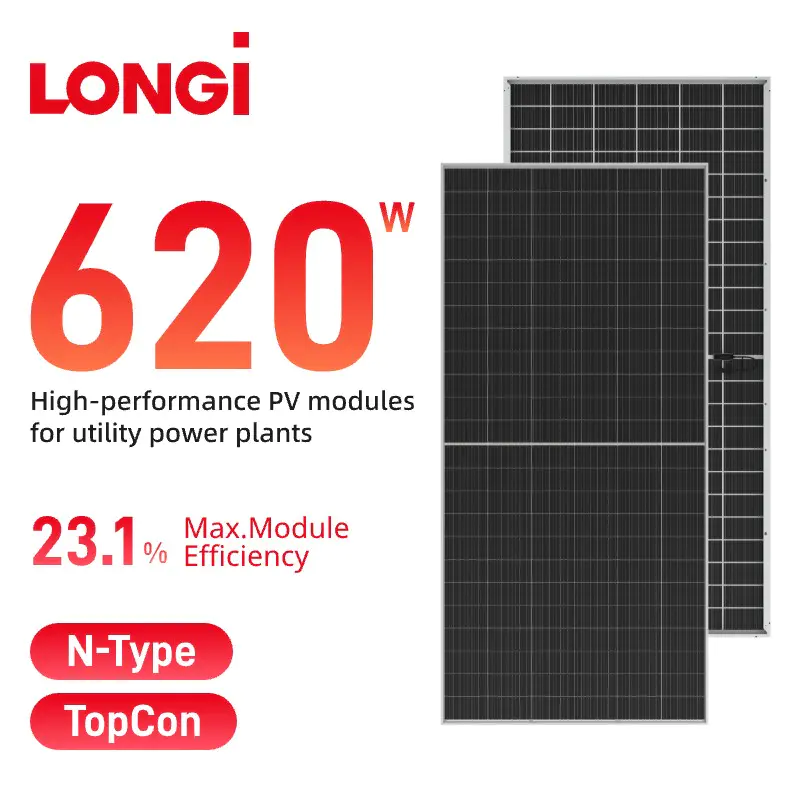
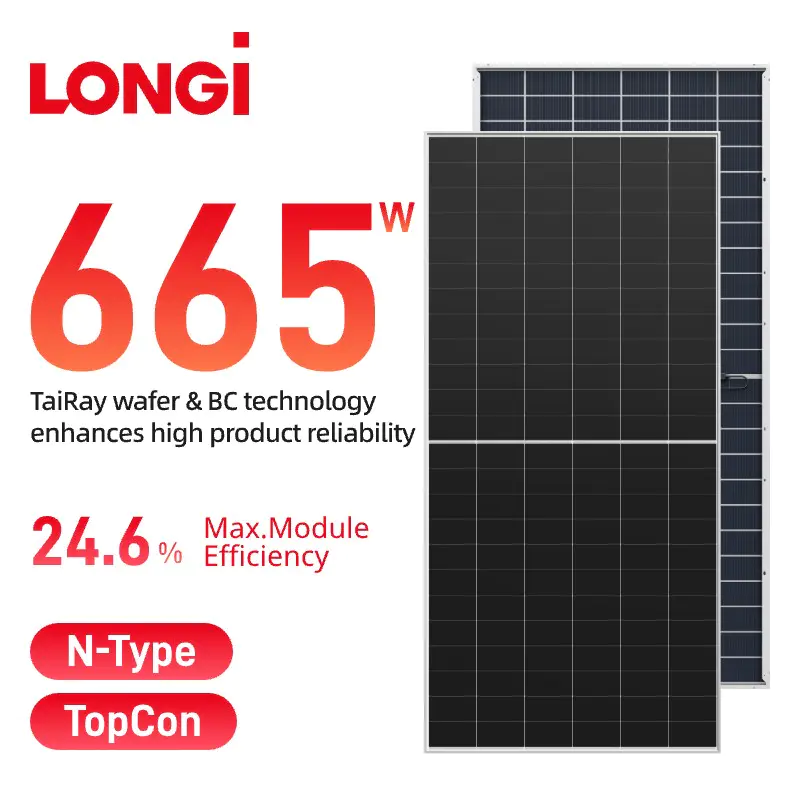
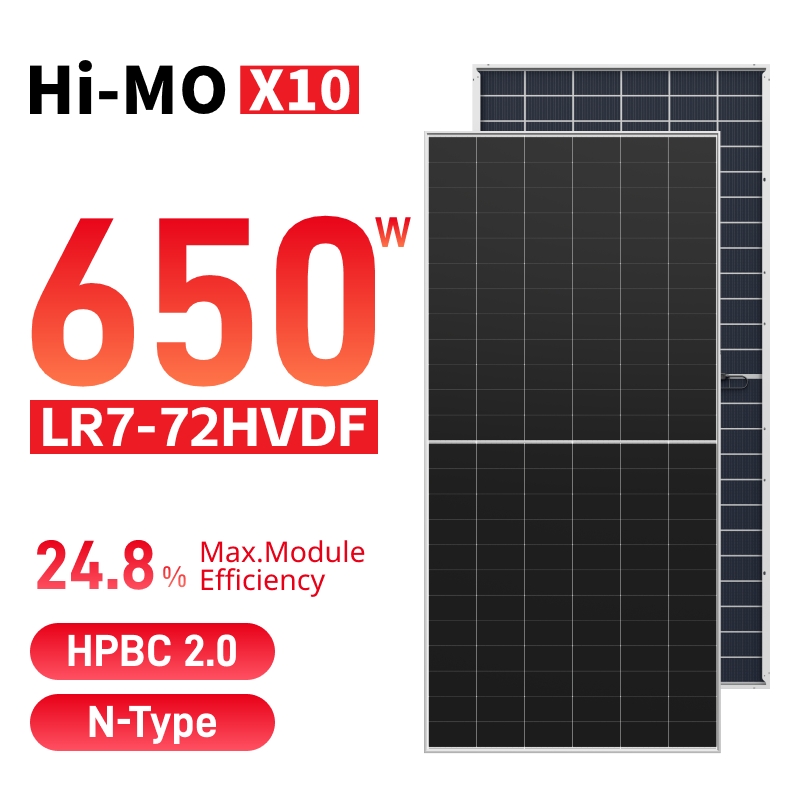
High-performance 600W+ solar modules designed for utility-scale efficiency, ensuring maximum power density and reduced balance-of-system (BOS) costs for your large-scale solar projects.
Bulk-Ready Products
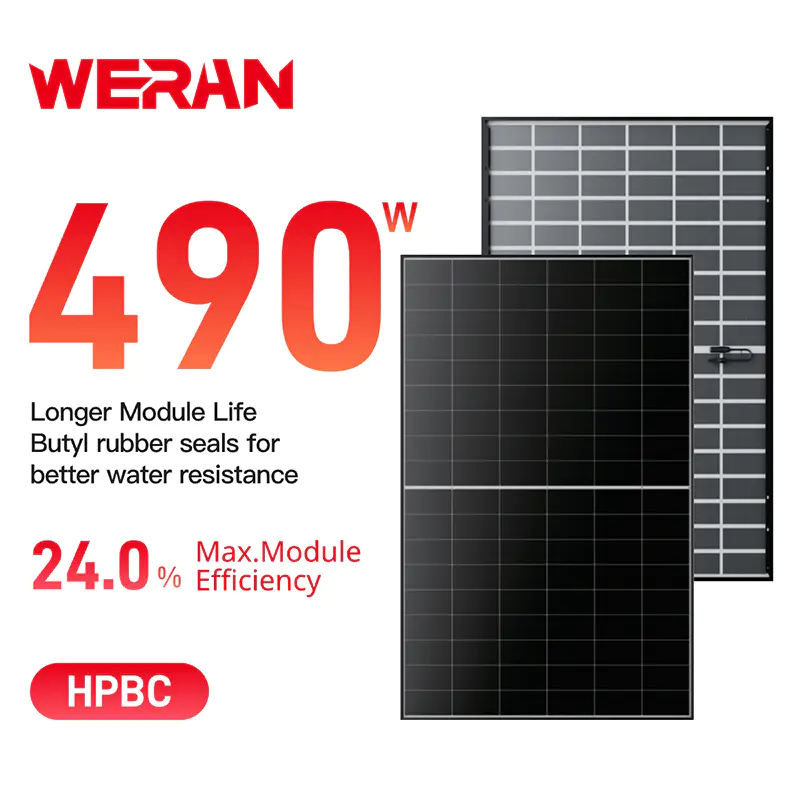
A sample of the product lines our bulk buyers order most — the full catalogue is available on request.
About This Topic
600W+ Solar Modules refers to a category of high-output photovoltaic panels built around larger cell formats and higher per-unit power ratings than conventional residential-format panels. These modules are primarily used in utility-scale solar farms, large commercial and industrial rooftops, and ground-mount installations where maximizing output per panel helps simplify array design at scale.
Rather than relying solely on cell efficiency gains, the 600W+ category is defined largely by physical format, incorporating more cells per panel and, in many cases, wider panel dimensions. The core function of this category is to allow a given system capacity to be reached using fewer individual panels, which can influence array layout, mounting design, and installation planning across a project.
Fewer Panels Per Array
Reaching a target system capacity with fewer, higher-output panels can reduce the number of individual connection points across an array.
Reduced Balance-of-System Complexity
Fewer panels can translate into fewer mounting points, connectors, and cable runs, which may simplify parts of the balance-of-system design.
Streamlined Logistics for Large Orders
A given project capacity generally requires fewer physical units to transport, unload, and stage on site compared with standard-wattage panels.
Simplified Array Stringing
Fewer panels per string position can make electrical layout planning more straightforward during system design.
Panels in this category generally share a set of design traits that distinguish them from standard-format modules. Specific configurations vary by manufacturer, but the following characteristics are broadly typical.
Panel Weight and Handling
Larger dimensions generally increase overall panel weight, which often calls for two-person handling during transport and mounting.
Mounting Rail Spacing
Rail and clamp positions are typically adjusted to align with the panel's specific dimensions rather than assuming a standard residential layout.
Wind and Snow Load Assessment
Larger surface areas can change how wind and snow loads are distributed across a mounting structure, which is typically reviewed during structural planning.
Installation Crew Planning
Project schedules often account for the additional handling time and crew coordination associated with larger, heavier panel units.
Because their advantages are most apparent at scale, high-wattage modules tend to concentrate in specific project types rather than being applied uniformly across all solar installations. Common scenarios include:
In most projects, the decision to use high-wattage modules depends less on total system size alone and more on whether the site layout and mounting structure can accommodate the panel's larger physical footprint.
Selecting between panel formats generally depends on project scale and site conditions rather than one format being universally preferable. The table below outlines general tendencies across common module categories; actual figures vary by manufacturer and product line.
| Module Category | Typical Application | Panel Footprint | Handling Requirements | System Design Impact |
| 600W+ High-Wattage Modules | Utility-scale and large commercial projects | Larger, wider panel dimensions | Often requires two-person handling | Fewer panels per array, adjusted mounting layout |
| Standard-Wattage Modules | Mid-size commercial and residential projects | Moderate, widely compatible dimensions | Generally single-person manageable | Compatible with common mounting hardware |
| Compact Residential-Format Modules | Space-constrained residential rooftops | Smaller, lighter panel dimensions | Easiest to handle on sloped roofs | More panels typically needed for equivalent capacity |
The main difference is generally physical format rather than cell technology alone. High-wattage modules typically house more cells within a larger panel frame, which raises overall output per unit.
They can be used residentially, but their larger dimensions and weight mean roof structure, access, and mounting layout should be evaluated carefully before selecting them over standard-format panels.
Mounting rail spacing and clamp positioning are typically adjusted to match the panel's physical dimensions, so hardware compatibility should be confirmed against the panel's specifications and manufacturer guidelines.
Because each panel delivers higher output, a given system capacity can generally be reached using fewer individual panels compared with standard-wattage modules, though the exact reduction depends on project specifications.
Compatibility depends on inverter input specifications and string configuration, so system design should confirm that voltage and current parameters align with the inverter selected for the project.
Due to their size and weight, high-wattage panels often require two-person handling along with careful attention to edge protection and glass surface care during transport and installation.

Why Weran Solar
As China 600W+ Solar Modules manufacturers and wholesale 600W+ Solar Modules suppliers, Weran Solar Co., Ltd. designs, manufactures, sells, installs and maintains solar systems from one integrated supply chain, giving bulk buyers first-hand control over quality and lead times instead of a chain of intermediaries.
Get a Bulk Quote
Share your target wattage, volume and destination port — our export team replies with pricing tiers and lead times within one business day.