[email protected] Minhang District, Shanghai, China
Home / Topics / Bulk Solar Supply

Topic: Wholesale Sourcing

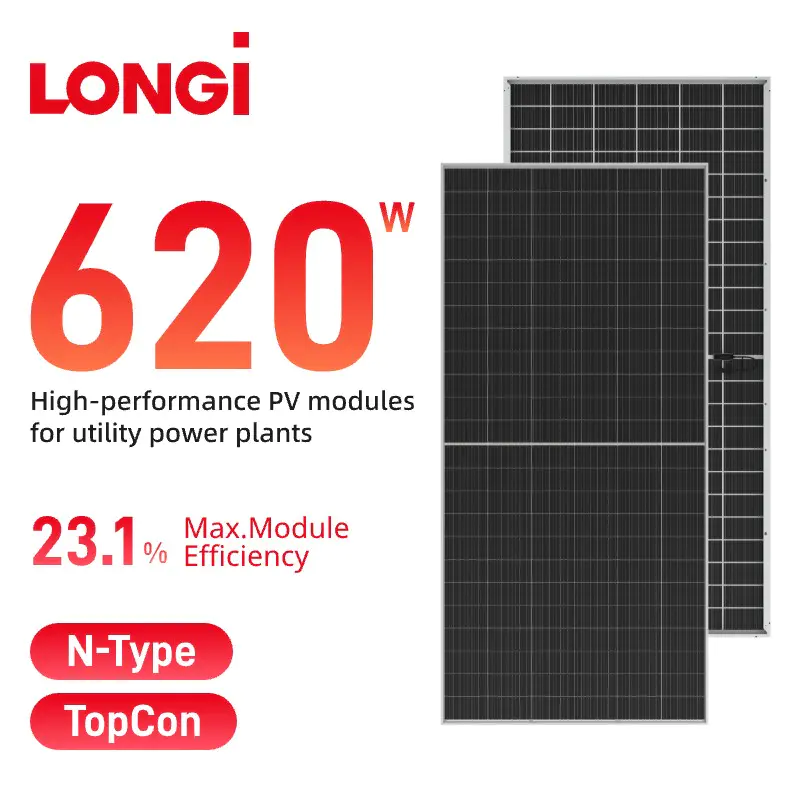
Double Glass Modules

Rugged, reliable double glass modules built for superior durability and longevity, offering enhanced resistance to harsh environmental conditions in long-term solar power plant deployment.

500kW+Typical Min. Order
15–30Days Lead Time
40+Countries Served
Tier-1Equivalent Quality

Bulk-Ready Products

Popular Picks for Volume Orders

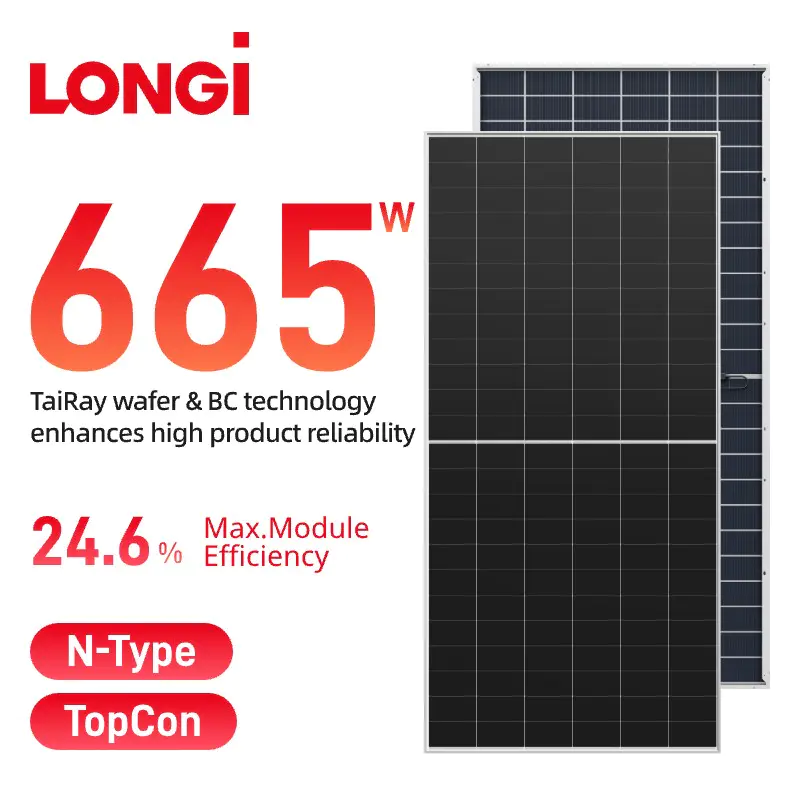
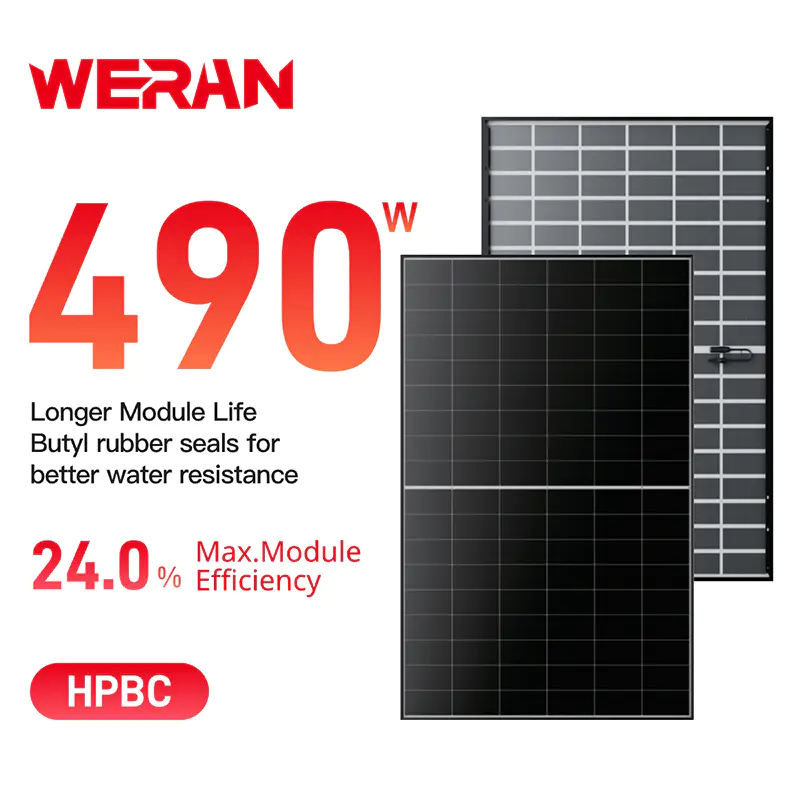
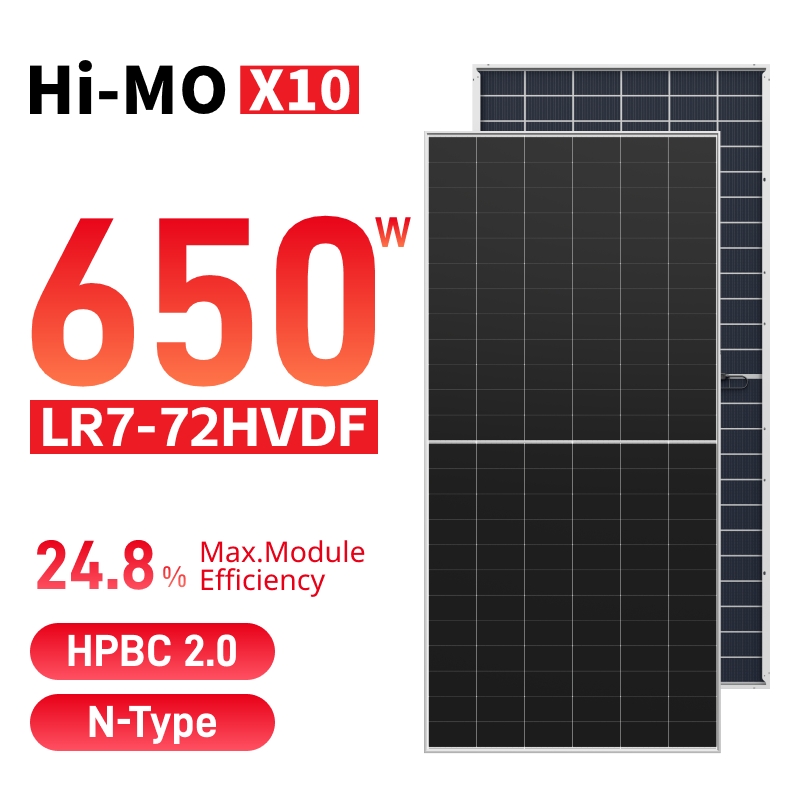
A sample of the product lines our bulk buyers order most — the full catalogue is available on request.
About This Topic

What “Double Glass Modules” Means at Weran

Double glass modules are photovoltaic panels constructed with tempered glass on both the front and rear surfaces, replacing the traditional polymer backsheet found in conventional panel designs. This symmetrical glass-glass structure encapsulates the solar cells between two rigid, weather-sealed layers, providing a mechanically stable and highly durable platform for electricity generation across a wide range of installation environments.

This module format is commonly selected for utility-scale solar farms, commercial rooftop arrays, and installations located in regions with elevated humidity, salt exposure, or significant temperature fluctuation. The dual-glass configuration is intended to extend service life, reduce degradation from moisture ingress, and support long-term operational stability for buyers prioritizing durability and lifecycle value over the shortest possible upfront cost.

Structural Composition of Double Glass Modules

  • Front and rear layers use tempered glass, forming a fully encapsulated cell structure without a polymer backsheet.
  • Encapsulant materials bond the cells between the two glass layers, limiting pathways for moisture and oxygen ingress.
  • The frame, where present, is typically anodized aluminum designed to accommodate the added weight of dual glass layers.
  • Some designs are offered in frameless configurations for specific mounting systems, which can simplify certain installation methods.

Durability and Long-Term Environmental Resistance

The absence of a polymer backsheet reduces exposure to material degradation mechanisms such as backsheet cracking, delamination, and yellowing that can occur over extended outdoor exposure. Glass-glass construction is generally associated with improved resistance to moisture ingress, which is a common contributor to long-term power output decline in photovoltaic systems.

  • Reduced susceptibility to potential-induced degradation in humid or high-voltage system configurations.
  • Improved resistance to salt mist and corrosive atmospheres, relevant for coastal or industrial installation sites.
  • Greater rigidity can contribute to more consistent mechanical performance under wind and snow loading over time.
  • Symmetrical glass layers help minimize thermal expansion mismatch between front and rear surfaces.

Installation and Maintenance Considerations

Double glass modules are heavier than standard glass-backsheet panels, which affects handling procedures, mounting hardware selection, and structural load calculations for the supporting racking system. Installation teams should confirm that mounting clamps, rail spacing, and structural supports are rated for the additional weight before deployment.

  • Verify racking and clamp compatibility with module thickness and edge clearance requirements.
  • Use appropriate lifting and handling equipment given the increased module weight compared with backsheet variants.
  • Routine cleaning follows standard photovoltaic maintenance practices, as glass surfaces on both sides are generally easier to clean than exposed polymer backsheets.
  • Periodic visual inspection for glass chipping at edges or mounting points is recommended, particularly in high-wind regions.

Performance Characteristics and Energy Yield

Many double glass modules are produced in bifacial configurations, allowing the rear surface to capture reflected light from the ground or surrounding surfaces in addition to direct front-side irradiance. This can contribute additional energy yield depending on installation height, ground surface reflectivity, and array orientation. Actual bifacial gain varies by site conditions and should be evaluated based on project-specific factors rather than a fixed assumption.

  • Rear-side light capture depends on mounting height, tilt angle, and albedo of the surrounding ground surface.
  • Glass-glass construction can support more stable long-term power retention due to reduced moisture-related degradation.
  • Suitability for higher system voltage designs, which can reduce balance-of-system wiring costs in larger installations.

Application Suitability

The characteristics of double glass modules make them a common choice for specific project types rather than a universal replacement for all panel formats.

  • Utility-scale ground-mount solar farms seeking extended asset life and reduced long-term degradation risk.
  • Coastal or high-humidity regions where corrosion and moisture resistance are priority considerations.
  • Ground-mounted bifacial installations designed to capture reflected light from surrounding terrain.
  • Commercial rooftop projects where structural loading capacity has been confirmed to accommodate additional module weight.

Procurement and Sourcing Considerations for Buyers

Buyers evaluating double glass modules for large-scale procurement typically weigh a number of factors beyond unit price when assessing supplier offerings.

  • Confirm third-party testing and certification documentation relevant to the destination market and applicable safety standards.
  • Request packaging and transportation specifications, since increased module weight and glass fragility affect freight handling and breakage risk.
  • Clarify warranty terms for both product defects and long-term power output, as glass-glass designs are often positioned around extended service life.
  • Review production capacity, lead times, and quality control processes when planning procurement for large or phased projects.
  • Evaluate compatibility with existing or planned racking systems prior to finalizing bulk orders.

Double Glass Modules Compared with Standard Glass-Backsheet Modules

Attribute Double Glass Modules Glass-Backsheet Modules
Rear Layer Material Tempered glass Polymer backsheet
Module Weight Higher Lower
Moisture Resistance Generally improved Standard
Bifacial Compatibility Common Limited
Typical Application Utility-scale, coastal, humid climates General residential and commercial use
Handling During Installation Requires reinforced racking and careful handling Standard handling procedures

Quality and Certification Signals to Review

Testing

Independent testing records

Warranty

Documented warranty terms

Logistics

Packaging and freight planning

Frequently Asked Questions

Q1: What is the main structural difference between double glass modules and standard panels?

Double glass modules use tempered glass on both the front and rear surfaces instead of a polymer backsheet, fully encapsulating the solar cells between two rigid glass layers.

Q2: Are double glass modules heavier than conventional panels?

Yes, the additional glass layer increases overall module weight, which should be accounted for when selecting racking, mounting hardware, and structural supports.

Q3: Do double glass modules always support bifacial energy generation?

Many double glass modules are designed to support bifacial operation, but this depends on the specific product configuration and should be confirmed with the manufacturer rather than assumed for every double glass product.

Q4: What maintenance practices apply specifically to double glass modules?

Maintenance follows standard photovoltaic cleaning and inspection practices, with additional attention to glass edge integrity and periodic checks for chipping at mounting contact points.

Q5: Are double glass modules suitable for residential rooftop installations?

They can be used on residential rooftops, but the added weight requires confirmation that the roof structure and mounting system are rated to support the module before installation proceeds.

Q6: What should buyers request when sourcing double glass modules in bulk?

Buyers typically request certification and testing documentation, warranty terms, packaging specifications, and confirmation of production lead times before finalizing large orders.

Weran Solar manufacturing and quality certification
2015Founded in Shanghai

Why Weran Solar

A Decade-Long Journey Climbing to the Pinnacle of the Industry

As China Double Glass Modules manufacturers and wholesale Double Glass Modules suppliers, Weran Solar Co., Ltd. designs, manufactures, sells, installs and maintains solar systems from one integrated supply chain, giving bulk buyers first-hand control over quality and lead times instead of a chain of intermediaries.

HQ in Shanghai, manufacturing base in Jiangsu
Subsidiaries & warehouses in Nigeria & Singapore
Active agents in the UAE, Morocco & Iraq
TUV and CE certified product lines

Get a Bulk Quote

Tell Us What You’re Sourcing

Share your target wattage, volume and destination port — our export team replies with pricing tiers and lead times within one business day.

  • [email protected]
  • Room 503, Building 3, South Area, Hongqiao Zhengrong Center, Shengqui Road, Minhang District, Shanghai, China
  • Subsidiaries & warehouses in Nigeria and Singapore

Bulk Supply Inquiry

Over 13286 + people have already made an inquiry.

We will contact you as soon as possible after receiving your request
Message Sent Thanks — a Weran Solar account manager will contact you shortly.
Inquire